
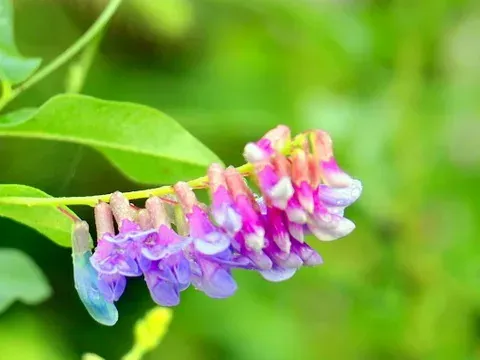
Vicia pseudoorobus
Vicia pseudoorobus
Vicia pseudoorobus is a perennial herbaceous plant that is typically sown in early spring when soil temperatures reach stable growth levels.
What the section contains
Vicia pseudoorobus
Early sowing is recommended to allow the plant to establish a robust root system by utilizing the available spring soil moisture effectively.
In regions with milder climates, late autumn sowing can also be successful, providing the plants with a head start in the following growing season.
The seeding rate varies based on local environmental conditions and soil fertility, typically ranging from 120 to 160 kilograms per hectare.
Seeds should be planted at a depth of 3 to 5 centimeters, ensuring proper soil coverage to promote even germination and initial seedling development.
As a member of the Fabaceae family, this crop is well-known for its adaptability and significant value in sustainable agricultural systems.
The plant thrives in loamy, moderately moist soils and shows high sensitivity to soil reaction, preferring neutral to slightly acidic conditions.
It possesses excellent cold tolerance, allowing it to withstand harsh winters and variable temperatures throughout the early spring months.
Nutritional requirements include sufficient phosphorus and potassium levels in the soil to support healthy vegetative growth and nitrogen fixation.
Optimal light exposure is crucial for maximizing yield, although the plant displays some tolerance to partial shading within diverse pasture mixtures.
The primary economic use of this species is for the production of high-quality green forage, hay, and silage, which are vital for livestock feed.
Under favorable management practices, the yield of green biomass can reach approximately 150-200 centners per hectare during the main harvest peak.
The feed value peaks during the early flowering phase, offering high digestibility and a balanced profile of essential amino acids for animals.
Beyond its feed value, the plant is an excellent soil improver, enriching the soil with nitrogen through its symbiotic relationship with bacteria.
Rotational use in agricultural fields significantly boosts the performance of subsequent crops by enhancing the overall soil structural composition.
Common agricultural pests, such as pea weevils and aphids, pose a significant threat to the vegetative canopy and can reduce overall biomass production.
Fungal diseases, including powdery mildew and various types of rusts, may occur during seasons characterized by high humidity and poor ventilation.
Root rot represents a specific risk in waterlogged or poorly drained soils, necessitating careful site selection and field preparation before planting.
Management strategies involve crop rotation, the use of certified disease-free seeds, and timely intervention with approved biological or chemical controls.
Monitoring the fields for early signs of pest infestation is essential to preventing extensive damage during the rapid growth stages of the plant.
For high-quality silage or hay, harvesting should take place at the budding or early flowering stage to capture the highest nutrient concentration.
Mechanical harvesting requires cautious handling to prevent leaf shedding, as the leaves contain the highest proportion of the plant's nutritional content.
When harvesting for seeds, farmers must carefully monitor moisture levels to prevent pod shattering and minimize yield losses during threshing processes.
Adjusting the cutting height to approximately 8-10 centimeters allows for better regrowth, ensuring the potential for multiple cuts in a single season.
Post-harvest drying is critical to prevent mold development in stored hay, ensuring the nutritional integrity of the feed is maintained until use.