
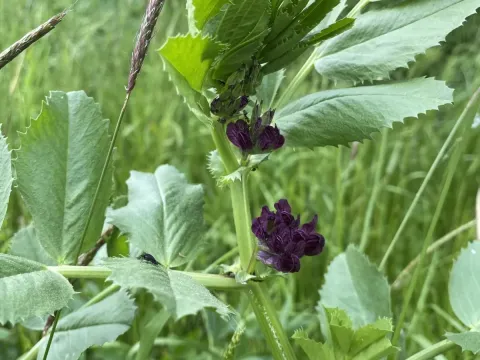
Vicia serratifolia
Vicia serratifolia
Vicia serratifolia is a prominent member of the Fabaceae family, widely recognized for its agricultural utility as a high-protein fodder crop. The optimal sowing window occurs in early spring, once the soil has warmed to a consistent temperature of 5–7 degrees Celsius.
What the section contains
Vicia serratifolia
Early planting is crucial for maximizing soil moisture utilization, which is vital during the plant's initial establishment phase. Delaying the sowing period significantly risks exposing seedlings to heat stress and moisture scarcity, ultimately reducing total biomass production.
Standard seeding rates range from 120 to 160 kg per hectare, depending on soil fertility and the desired density of the stand. Planting depth should be maintained between 4 and 6 cm to ensure optimal root development and uniform germination across the field.
Cultivating Vicia serratifolia in mixed stands with cereals like oats or barley is a standard agronomic practice. These companion crops provide essential structural support to the climbing stems, greatly reducing the risk of lodging during heavy rain.
Post-sowing rolling is highly recommended to improve soil-to-seed contact, which facilitates faster water uptake and ensures more consistent emergence. This simple step contributes significantly to the overall success of the establishment phase.
This crop exhibits moderate climatic requirements and demonstrates excellent adaptability to temperate regions. It thrives in well-aerated loam or sandy-loam soils that maintain a neutral or slightly acidic pH balance.
One of the notable agronomic advantages of Vicia serratifolia is its superior drought tolerance compared to other common vetch species. This makes it an ideal candidate for cultivation in regions characterized by inconsistent seasonal rainfall.
Light availability is a critical factor; excessive shading significantly inhibits photosynthetic activity and nitrogen fixation processes. Consequently, producers must maintain appropriate plant densities to avoid internal competition for solar radiation.
The plant is responsive to phosphorus and potassium fertilization, which strengthens stem integrity and improves overall vigor. Nitrogen application is generally limited to starter levels, as the plant effectively derives the majority of its nitrogen through symbiotic associations.
Optimal growth occurs within a temperature range of 18–22 degrees Celsius, which allows the plant to reach its full productive potential. While the crop is resilient, sustained temperature fluctuations during early growth stages may affect biomass accumulation.
Under optimal management practices and favorable environmental conditions, Vicia serratifolia can produce between 20 and 30 tons of green mass per hectare. Productivity is highly dependent on sufficient water availability throughout the vegetative stage.
When managed for seed production, yields typically range from 1.5 to 2.5 tons per hectare. Success in seed harvest is heavily reliant on pollinator activity and the implementation of protective measures during the critical flowering phase.
The high nutritional quality of the forage, characterized by substantial protein content and a favorable amino acid profile, makes this species an excellent addition to livestock rations. Furthermore, it improves soil quality by increasing available nitrogen.
The total yield of nutritional components is highest if harvesting is conducted during the flowering to early pod-filling stage. Harvesting too late often leads to stem lignification, which reduces both the digestibility and the nutritional value of the final feed.
The use of specific rhizobia inoculants during the seed treatment process is strongly encouraged. This practice enhances root system development and increases the plant’s overall resilience against environmental stresses.
Root rot diseases represent the most significant threat to this crop, particularly in fields with poor drainage or excessive soil moisture. Preventive strategies should prioritize crop rotation and the use of certified, fungicide-treated seeds.
Powdery mildew may occur during periods of high humidity and fluctuating temperatures, affecting leaves and reducing photosynthetic surface area. Proper fungicide applications can effectively mitigate the spread of these fungal infections if detected early.
Nodule weevils are the most prevalent insect pests, often causing damage by feeding on roots and foliage during the seedling stage. Implementing targeted insecticide treatments when thresholds are exceeded is necessary to protect young plant stands.
Aphid infestations can stress the crop by feeding on phloem sap, leading to stunted growth and leaf curling. Furthermore, aphids can act as vectors for various viral diseases, which necessitates diligent crop monitoring throughout the season.
Integrated pest management (IPM) is essential for maintaining crop health while minimizing environmental impact. Regular scouting of the field allows for precise, timely interventions that keep pest populations below damaging levels.
Harvesting for green mass or hay should be executed during the full bloom phase to capture the peak nutritional profile. Utilizing modern mower-conditioners is advised to speed up drying processes and minimize the loss of protein-rich leaves.
For hay production, uniform drying is critical to prevent mold growth and ensure the preservation of leaves. High-quality hay should maintain a vibrant green color and possess a fresh, pleasant aroma upon baling.
Seed harvesting is conducted either through direct combining or windrowing, depending on local equipment availability and weather patterns. It is vital to avoid letting the crop over-mature, as the pods are prone to shattering and grain loss.
Post-harvest, seeds must be cleaned and dried to a moisture content of 14–15% to ensure long-term viability and prevent heating in storage. Proper moisture management is the most important factor in maintaining high seed quality.
Flexibility during the harvest season is key, especially in regions with unpredictable weather. Having contingency plans and access to efficient machinery ensures that the crop can be gathered at the perfect stage of maturity, regardless of seasonal challenges.