
Vicia ohwiana
Vicia ohwiana
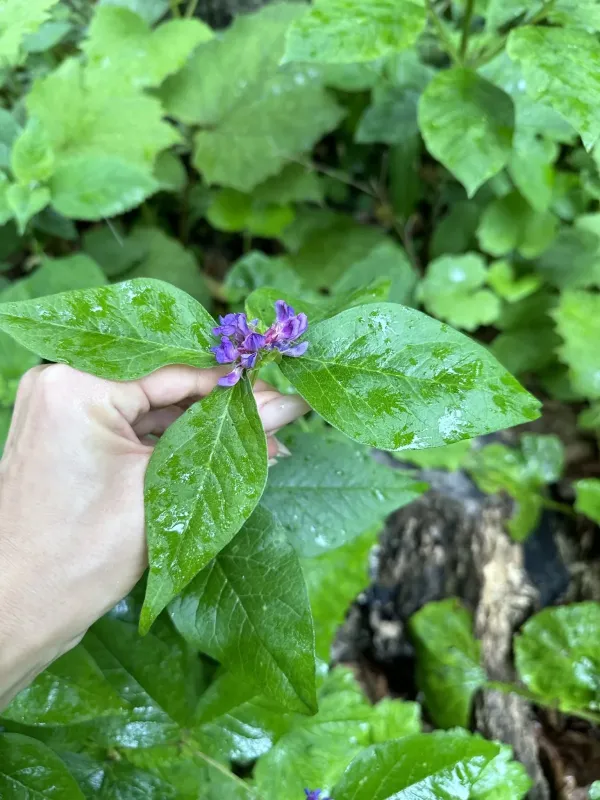
Description
Sowing dates
Vicia ohwiana is a perennial legume that requires careful planning regarding sowing dates to ensure successful establishment. Early spring sowing is generally recommended when soil temperatures consistently reach at least 5–8 degrees Celsius.
In regions with milder winters, late autumn sowing may be viable, allowing the crop to establish a robust root system before the onset of the summer heat. Proper seedbed preparation is essential to ensure uniform germination and early plant vigor.
Seeding depth should be adjusted based on soil texture, typically ranging from 2 to 4 centimeters. Ensuring good seed-to-soil contact is critical, often achieved through light rolling or compaction immediately after the sowing process.
When used in multi-species forage mixtures, the sowing density should be calibrated to maintain a balanced competitive relationship with other components. A uniform distribution of seeds is necessary to maximize land use efficiency.
Avoiding sowing in waterlogged soils is crucial, as excess moisture can hinder root development and promote seed decay. Monitoring weather forecasts during the sowing window is a recommended best practice for farmers.
Growing requirements
Vicia ohwiana belongs to the Fabaceae family and thrives in well-drained, fertile soils with a pH ranging from neutral to slightly acidic. It is well-adapted to environments that offer sufficient sunlight and moderate moisture levels throughout the growing season.
The crop is highly valued for its ability to form a symbiotic relationship with nitrogen-fixing bacteria, which contributes to soil fertility. It exhibits high ecological plasticity, allowing it to adapt to various temperate climate conditions effectively.
During its vegetative growth, Vicia ohwiana requires consistent moisture but is sensitive to waterlogging, which can severely impact productivity. Proper aeration of the soil is beneficial for the development of its root nodules.
Fertilization management should focus on supplying adequate phosphorus and potassium, which are essential for structural integrity and winter hardiness. Nitrogen supplementation is generally unnecessary due to the plant's natural nitrogen-fixing capabilities.
Integrating this crop into existing crop rotation cycles helps improve soil structure and organic matter content. Its role as a green manure or cover crop is becoming increasingly important in modern agricultural systems.
Main diseases and pests
The primary threats to Vicia ohwiana include various fungal diseases, such as powdery mildew and anthracnose, which are prevalent in high-humidity conditions. Maintaining optimal plant density is key to promoting adequate air circulation and reducing disease risks.
Common agricultural pests affecting this species include pea weevils and aphids, which can damage foliage and interfere with the photosynthetic process. Integrated pest management (IPM) strategies are recommended to keep pest populations below economic thresholds.
Preventive measures, such as proper crop rotation and the use of clean, certified seeds, are the most effective ways to manage threats. Avoiding the monocultural planting of legumes in the same field for consecutive years breaks the infection cycle.
In cases of heavy infestations, selective insecticides may be required, but they should be used judiciously to protect beneficial insects like pollinators. Monitoring the fields regularly during the budding stage is vital for early detection of issues.
The application of bio-stimulants or biological control agents can also enhance the plant's natural defenses, leading to a more resilient crop that is better equipped to handle environmental stresses and pest pressure.
Harvesting
Harvesting Vicia ohwiana for forage purposes is best performed at the onset of the flowering stage, which marks the peak of nutritional value and protein content. Cutting at the right time ensures maximum feed quality for livestock.
When producing hay, it is important to manage the drying process to prevent leaf shattering. Because the leaves contain the highest concentration of nutrients, maintaining their integrity during harvest is a primary goal for any producer.
For seed production, harvesting should begin when the majority of pods turn brown. Delaying the harvest increases the risk of pod shattering and significant seed loss, which can reduce overall profitability and future sowing potential.
Utilizing combine harvesters with precise settings is recommended to minimize seed damage and improve the efficiency of the cleaning process. Proper machine adjustment prevents excessive bruising of the seeds during the threshing stage.
Post-harvest management involves immediate cleaning and drying of the seeds to moisture levels suitable for long-term storage. Storing the seeds in cool, dry, and well-ventilated conditions preserves their viability for subsequent planting seasons.