
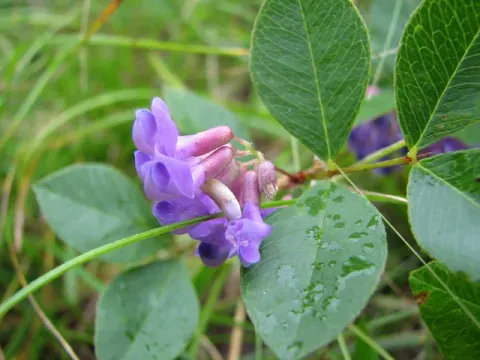
Vicia nipponica
Vicia nipponica
Vicia nipponica is a leguminous plant that requires precise sowing conditions to ensure uniform germination and early establishment. The optimal sowing window occurs in early spring, once the soil temperature consistently reaches a level that promotes rapid seed vigor and protects against post-germination cold stress.
What the section contains
Vicia nipponica
Correct seed placement is essential for this species to develop a healthy root system capable of nitrogen fixation. Sowing at a controlled depth in a well-prepared seedbed ensures that the seedlings have adequate access to nutrients and moisture during their most vulnerable stage of initial growth.
This crop thrives in well-drained, fertile soils that provide sufficient aeration for both root development and symbiotic bacteria activity. It is sensitive to waterlogged conditions, which can lead to root rot and diminished vigor, making soil drainage management a primary concern for growers.
Regarding climate, the plant prefers temperate regions with moderate precipitation throughout the growing season. While it is relatively hardy, it shows the best biomass production when exposed to consistent sunlight, as shading can lead to elongated stems and reduced leaf development.
Effective agronomy for this species involves consistent soil moisture management and the maintenance of a neutral pH balance. Regular monitoring of nutrient levels ensures the crop receives enough phosphorus and potassium, which are critical for the development of vegetative mass and the subsequent production of seeds.
Fungal diseases, including anthracnose and root rot, represent the most significant biotic threats to Vicia nipponica populations. Management strategies should prioritize the use of disease-resistant varieties and the implementation of crop rotation cycles to break the life cycles of soil-borne pathogens.
Insects, such as vetch aphids and weevils, can cause substantial damage to both foliage and developing seed pods. Integrated Pest Management (IPM) practices, involving both biological control agents and targeted scouting, remain the most effective approach for maintaining yield potential without resorting to excessive chemicals.
Harvesting for forage purposes should ideally occur during the peak flowering stage to maximize the protein content and overall digestibility for livestock. Early harvesting ensures that the nutritional value is locked in before the plant shifts its energy towards the production of mature seeds.
When producing seed, harvesting must be timed carefully to prevent excessive pod shattering, which is a common characteristic of many vetch varieties. Harvesting when the majority of pods turn a mature color helps optimize seed yield, while appropriate combine settings minimize seed breakage and losses during processing.