
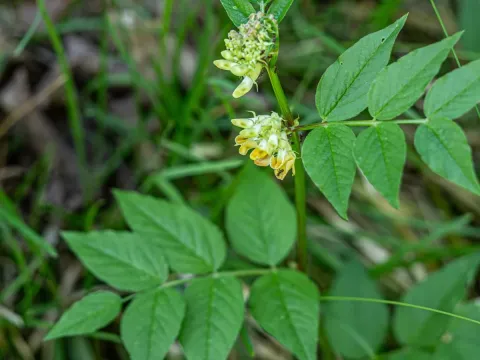
Vicia oroboides
Vicia oroboides
Vicia oroboides is a perennial herbaceous plant belonging to the Fabaceae family. Unlike many annual vetch species, it features a robust root system, which ensures its survival through winter and early spring regrowth in temperate climates.
What the section contains
Vicia oroboides
The plant thrives in moderately moist, well-drained soils that are rich in organic matter. It prefers neutral to slightly acidic soil conditions and requires a healthy population of soil bacteria to facilitate nitrogen fixation, which is essential for its growth.
Botanically, this species is distinguished by its upright stem structure and distinctive leaflets that resemble those of lentils. This physical trait contributes to its common name and differentiates it from climbing vetch varieties.
Environmental conditions play a crucial role in its development. Vicia oroboides prefers regions with a cool, temperate climate, showing high resilience to cold winters, provided there is adequate snow cover or mulch to protect the soil.
During the growing season, the plant requires consistent moisture levels. While it possesses moderate drought tolerance, its biomass yield is significantly higher when rainfall is distributed evenly across the vegetative period.
The primary agricultural use of Vicia oroboides is as a high-protein forage crop. It is highly valued for its nutritional profile, providing essential nutrients for livestock when harvested as hay or silage at the correct developmental stage.
The peak nutritional value is typically achieved at the onset of flowering. Harvesting during this phase ensures the best balance between biomass volume and crude protein content, which is vital for quality animal feed.
Under favorable management conditions, the crop is capable of producing multiple cuts per season. Its ability to regrow vigorously after mowing makes it an attractive candidate for intensive fodder production systems.
Beyond animal nutrition, the plant acts as a beneficial soil improver. Its deep roots enhance soil structure, while the nitrogen-fixing capabilities enrich the soil profile, reducing the need for synthetic fertilizers in subsequent crop rotations.
Seed production requires careful timing. Producers must monitor the maturation of the pods closely to prevent harvest losses due to natural dehiscence, as the seeds are prone to scattering upon reaching full maturity.
The main phytosanitary risks to Vicia oroboides include fungal pathogens such as rust and anthracnose. These diseases are more prevalent in regions with high humidity and stagnant air, making proper stand management essential.
Common insect pests affecting legumes, such as pea aphids and various weevil species, can cause significant damage to young foliage and developing buds. Integrated pest management strategies are often necessary to control these populations.
Crop rotation is the primary defense against soil-borne pathogens. Planting Vicia oroboides in fields where other legumes were grown recently increases the risk of disease buildup, so strict rotation cycles are recommended.
Over-competition from invasive weeds during the establishment phase can drastically reduce the crop's vigor. Early weed control is crucial, especially in the first year when the perennial stand is still developing its root system.
Improper harvesting techniques, such as mowing too low, can damage the crown of the plant and inhibit regrowth. Maintaining a proper cutting height is essential for sustaining the longevity and health of the forage stand over many years.