
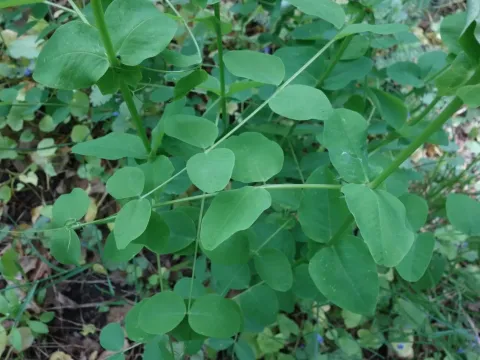
Vicia pisiformis
Vicia pisiformis
Vicia pisiformis, commonly known as the pea-leaf vetch, is a perennial plant within the Fabaceae family. It is distinguished by its climbing habit and large, pinnate leaves, which allow it to thrive in diverse forest-edge environments.
What the section contains
Vicia pisiformis
This species requires nutrient-rich, well-drained soils to achieve maximum biomass production. It flourishes in soils with a near-neutral pH, which supports the symbiotic relationship with rhizobia bacteria necessary for nitrogen fixation.
Climatic requirements for the pea-leaf vetch include moderate temperatures and consistent soil moisture throughout the spring and summer months. While it tolerates partial shade, full development is often linked to adequate light exposure.
Agricultural management requires careful seedbed preparation to ensure good soil-to-seed contact. Proper spacing is essential to prevent overcrowding, which can lead to poor air circulation and stunted development of the plant base.
The primary economic use of this plant is as a high-protein fodder crop. Due to its ability to fix nitrogen in the soil, it also acts as a valuable cover crop in sustainable farming systems to enhance soil fertility without synthetic inputs.
Common diseases affecting this legume include fungal infections such as rust and various leaf spot pathogens. These diseases are exacerbated by high humidity and limited airflow in dense stands.
Pests like the pea weevil and various species of aphids pose significant threats by feeding on the foliage and developing seeds. Early detection is crucial to mitigate potential yield losses in commercial production.
Effective management strategies rely on integrated pest management (IPM), including crop rotation and the maintenance of hedgerows that provide habitats for natural predators of these pests.
Fungicides and insecticides should be used as a last resort, prioritizing biological control methods when possible to maintain the environmental sustainability of the farming operation.
Monitoring for signs of nutrient deficiency or stress is also part of a robust health management plan, as stressed plants are generally more susceptible to opportunistic diseases and pest infestations.