
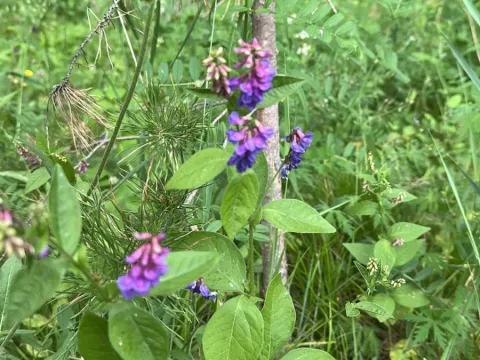
Vicia unijuga
Vicia unijuga
The sowing of Vicia unijuga is primarily conducted in early spring, as soon as the soil reaches its physical maturity. Optimal timing allows the plant to maximize the use of winter moisture reserves, which are essential for uniform seed germination and the development of the primary root system.
What the section contains
Vicia unijuga
When autumn sowing is practiced, the seeds undergo natural stratification, which promotes earlier vegetation onset in the spring. However, this method requires consideration of the risk of premature germination during sudden thaws, so the seeding depth must be strictly maintained within 3–5 cm.
The seeding rate depends on the chosen planting method: row drilling requires a higher seed density per hectare to suppress weed growth. In widely spaced row planting, used for seed production plots, the rate is reduced, ensuring better conditions for nutrition and sunlight exposure for each individual plant.
An important factor during sowing is the preliminary preparation of the soil, including thorough leveling of the field surface. This is necessary to ensure a uniform seeding depth, as Vicia unijuga is sensitive to uneven placement of planting material in the soil horizon.
Inoculation of seeds with nitrogen-fixing bacteria before sowing is a mandatory agronomic practice. This allows the plant to form a symbiotic relationship with nodule bacteria more quickly, significantly increasing the green mass yield and enriching the soil with biological nitrogen.
Vicia unijuga is a perennial herbaceous plant belonging to the Fabaceae family, known for its high winter hardiness. In its wild state, it is native to Eastern Asia, which determines its adaptability to temperate continental climates.
The crop prefers sufficiently moist sites, yet it tolerates short-term drought well due to its powerful and deep taproot system. The plant can successfully develop on various soil types, including loamy and sandy soils, provided that good drainage is ensured.
The soil fertility requirements for this species are moderate, making it a promising candidate for use on less nutrient-rich soils as part of forage mixtures. The optimal pH range for normal growth is 6.0 to 7.0, which ensures the availability of essential nutrients.
The crop is considered light-demanding; therefore, the most productive stands are formed in open areas. Shading can lead to stem lodging and a reduction in the overall output of nutrients in the green mass, especially under conditions of high humidity.
In agronomy, Vicia unijuga is valued for its ability to persist in the stand without disappearing for several years. This makes it a valuable component for establishing long-term seeded hayfields and pastures that are resistant to degradation and soil erosion processes.
The yield of green mass of Vicia unijuga directly depends on the level of agronomic care and the botanical composition of the stand. When cultivated in pure stands, productivity metrics can reach high values, comparable to traditional perennial legumes in the region.
In hay production, the crop provides high-quality hay rich in protein, which is easily digestible by ruminants. The maximum nutrient yield is achieved by harvesting at the beginning of the flowering phase, when the biomass possesses the highest nutritional value.
The seed productivity of the species is an important metric, as the plant forms pods with relatively large seeds. Regular seed harvesting requires the use of specialized machinery to minimize losses from pod shattering during full maturity.
Under intensive farming conditions, the application of phosphorus and potassium fertilizers allows for a significant increase in yield by stimulating root development and the formation of reproductive organs. A balance of micronutrients also plays a role in maintaining stand longevity and increasing its stress resistance.
The regrowth capacity of the crop is moderate, which limits the number of cuts to two per growing season. After the main harvest, the plant requires a rest period to restore nutrient reserves in the roots, ensuring successful overwintering and productivity in the next season.
Diseases of Vicia unijuga include various types of rust and powdery mildew, which can affect the foliage under unfavorable weather conditions. High humidity and lack of air circulation in dense stands provoke the development of fungal infections, reducing forage quality.
Root rots are the most dangerous pathogens, especially in waterlogged soils with impaired structure. Prevention involves strict crop rotation and avoiding water stagnation in the fields, which prevents the spread of infection in the root zone of the plants.
Pests such as pea leaf weevils can damage seedlings, reducing stand density during early developmental stages. Monitoring insect populations in the field and applying approved insecticides during the period of peak pest activity, if necessary, helps control the infestation.
Aphids can cause significant damage during mass outbreaks by sucking juices from young shoots and buds. Damaged plants show stunted growth, reduced protein and sugar accumulation, which negatively affects the nutritional value of the harvest in the current season.
- Strict adherence to agronomic sowing dates.
- Usage of high-quality certified seed material.
- Application of balanced mineral fertilization programs.
- Implementation of timely phytosanitary treatments.
The harvest timing of Vicia unijuga is determined by the intended use: green mass or seed production. For hay production, mowing should be performed during the mass flowering phase, which provides an optimal balance between biomass quantity and the content of digestible proteins.
When harvesting for seeds, it is crucial to wait for the full maturation of pods on most plants without allowing them to overdry. Waiting too long leads to pod shattering and significant seed yield losses, making the monitoring of grain moisture a critical step.
The use of mower-conditioners during haymaking accelerates the drying process, allowing for the preservation of more leaves that contain essential vitamins and carotene. This positively impacts feed nutritional value and its palatability for livestock during the winter period.
In the seed harvesting process, a split-phase method with preliminary windrowing is preferred. This allows the plants to mature naturally, ensuring higher germination rates for the seed material for the following year's planting.
Post-harvest seed cleaning includes multi-stage separation from plant debris and weed seeds. Properly prepared seed stocks are stored in dry, well-ventilated facilities to prevent mold development and maintain germination energy for an extended period.