
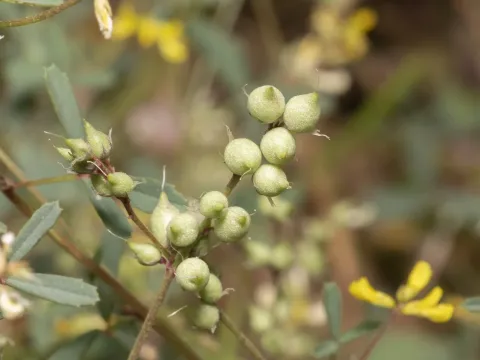
Neapolitan melilot
Melilotus neapolitanus
Neapolitan melilot is an annual legume crop, and the ideal sowing time is early spring, as soon as soil temperatures reach at least 5-8 degrees Celsius.
What the section contains
Neapolitan melilot
Sufficient soil moisture is crucial during the germination phase to ensure a high plant density and to support initial root development for the seedlings.
The sowing rate typically ranges from 10 to 15 kg per hectare, depending on local conditions, planting equipment, and the desired final plant population density.
Seeds should be planted at a shallow depth of 2-3 centimeters to facilitate rapid emergence while maintaining good contact with the soil profile for moisture uptake.
After sowing, it is highly recommended to use a roller to compact the soil, which helps improve seed-to-soil contact and prevents the drying out of the seedbed.
The crop is known for its moderate climate requirements and excellent tolerance to drought, making it suitable for areas where rainfall is limited or erratic.
Neapolitan melilot thrives best in full sun exposure, as it requires high light intensity to optimize photosynthesis and achieve its maximum biomass potential.
It displays remarkable adaptability to various soil types, including saline and poor-quality soils where other common legumes might struggle to establish.
While it prefers neutral soil conditions, the plant is capable of growing well in alkaline soils, often found in Mediterranean-type climates and semi-arid regions.
As a legume, it performs a vital role in nitrogen fixation, which significantly improves soil fertility and benefits the subsequent crops in the rotation.
The productivity of Neapolitan melilot depends heavily on local management practices, including proper weed control and adequate moisture during the early season.
It provides significant quantities of high-quality green biomass, which serves as an excellent livestock feed either in fresh form or conserved as silage.
Incorporating this species into forage mixtures can enhance the nutritional value of grazing pastures and contribute to the longevity of the plant community.
Seed yields vary based on weather conditions during the flowering stage, as the presence of insect pollinators is essential for successful fertilization and fruit set.
By timing the harvest correctly at the budding phase, farmers can maximize the protein content and overall digestibility of the forage, ensuring better livestock performance.
Powdery mildew is a primary concern for this crop, particularly in seasons characterized by high humidity and warm temperatures, which favor fungal development.
Root rot can become a significant problem in fields with poor drainage, which highlights the importance of choosing suitable terrain to ensure proper aeration.
Sitona weevils are common pests that feed on both the roots and foliage, potentially reducing the plant's nitrogen-fixing capacity and overall vegetative growth.
Aphids can colonize the upper parts of the plants during rapid growth stages, leading to stunted growth and requiring careful monitoring of the field populations.
Adopting integrated pest management strategies, such as crop rotation and encouraging beneficial predatory insects, helps mitigate these threats naturally.
The primary harvest for green feed should occur during the early flowering stage to ensure the highest protein content and maximum palatability for livestock.
When harvesting for hay, pre-wilting methods are used to preserve the leaves, which are the most nutrient-dense part of the plant, before final drying.
For seed harvesting, uneven maturation of pods is a common challenge that requires careful planning, often utilizing desiccation to improve harvest efficiency.
After harvesting the seeds, it is essential to clean them promptly and dry them to stable moisture levels to prevent storage issues such as mold or heating.
Post-harvest residues can be incorporated into the soil, serving as green manure that enriches the soil structure and adds vital nitrogen to the next crop cycle.