
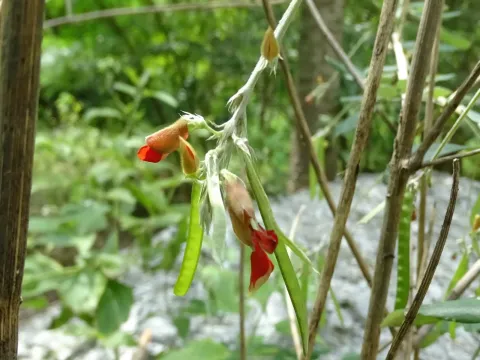
Tephrosia tinctoria
Tephrosia tinctoria
Tephrosia tinctoria is a perennial plant species belonging to the Fabaceae family. It is historically recognized for its ability to produce indigo-like dyes and its utility in sustainable agriculture.
What the section contains
Tephrosia tinctoria
The plant originates from tropical regions of Asia, primarily flourishing in India and Sri Lanka. It is well-adapted to warm climates where consistent moisture is available throughout the growing season.
The ideal soil conditions for Tephrosia tinctoria include well-drained loamy or sandy soils. It is highly sensitive to waterlogging, which can cause significant damage to the root system and inhibit symbiotic nitrogen fixation.
As a legume, this plant plays a critical role in agricultural systems by enhancing soil fertility through atmospheric nitrogen fixation, making it an excellent candidate for crop rotation schemes.
The crop requires full sun exposure for optimal growth and biomass production. It is frost-tender and should only be grown in areas where temperatures remain well above freezing throughout the year.
Historically, the primary use of Tephrosia tinctoria was the extraction of blue pigments. The leaves and stems are harvested when the plants are mature to ensure the highest yield of indigo dyes.
In modern agricultural practice, it is increasingly cultivated as a green manure crop. Incorporating the biomass into the soil before the plant sets seed significantly improves soil structure and organic matter content.
When harvesting for dyes, the plant material must be processed quickly after cutting to prevent the oxidation and loss of pigment quality during the fermentation stage.
For seed production, harvesting is performed after the pods turn brown but before they split open naturally, which is a common trait of the species that can lead to significant losses.
Sustainable harvesting techniques involve leaving a portion of the root system to decompose, further contributing to the long-term nitrogen enrichment of the agricultural plot.
Common pests affecting Tephrosia tinctoria include foliage-feeding beetles and aphids that can severely impact early plant vigor and overall yield potential.
Fungal diseases, such as root rot and leaf spots, typically occur in conditions of excessive soil moisture or poor field drainage, which predispose the plants to pathogen attacks.
Nematode infestations can also be a significant issue in specific soil types, potentially stunting growth and reducing the efficiency of nitrogen-fixing root nodules.
Weed competition is the most significant threat during the early seedling stage. Without adequate maintenance, the slow-growing seedlings can easily be suppressed by aggressive invasive species.
Integrated Pest Management (IPM) strategies, including crop rotation and the use of healthy, treated seeds, are essential for maintaining the productivity and health of the crop.