
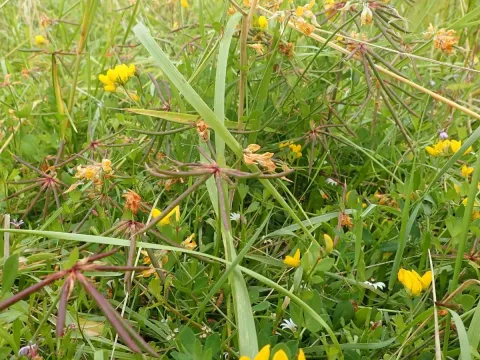
Tetragonolobus
Tetragonolobus
Tetragonolobus, commonly known as asparagus pea or winged pea, is an annual or perennial legume that thrives in temperate climates. Sowing is typically scheduled for early spring when soil temperatures reach 10-12 degrees Celsius.
What the section contains
Tetragonolobus
The seeds should be planted in rows with spacing of 30-40 centimeters to ensure adequate airflow and root space for each plant. Planting depth varies from 2 to 4 centimeters depending on soil moisture.
Pre-planting soil preparation is crucial; the seedbed must be fine-tilled and free of weeds. Proper moisture levels at the time of sowing are essential for rapid and uniform germination.
Using high-quality seeds is recommended for optimal establishment. In areas with unpredictable spring weather, protecting seedlings from late frost or extreme temperature drops is highly advisable.
Effective weed management during the seedling stage is vital, as the crop is not highly competitive with fast-growing invasive weeds during the first weeks of its development.
This crop requires full sun exposure to flourish. While it can adapt to various conditions, sufficient solar radiation is necessary for the development of pods and the production of quality foliage.
Tetragonolobus prefers fertile, well-draining soil with a neutral to slightly alkaline pH. It performs poorly in heavy clay or waterlogged soils, which increase the risk of root diseases.
The plant is relatively drought-tolerant once established, but regular watering during the flowering and pod-setting phases significantly increases the quantity and quality of the yield.
Providing a proper drainage system is essential in field cultivation to prevent the stagnation of water, which is particularly detrimental to the root system of this species.
Optimal temperatures for active growth range between 20 and 25 degrees Celsius. Extreme heat or prolonged cold spells can hinder plant growth and decrease the success of pollination.
Crop yield is heavily dependent on management practices. Tetragonolobus is known for its ability to produce significant biomass, which can be harvested as a high-protein feed source for livestock.
When grown for beans, the total yield is measured by the number of succulent pods per plant. Successive harvesting can extend the production period and maximize the output of fresh beans.
As a legume, Tetragonolobus plays a key role in soil enrichment. The plant fixes atmospheric nitrogen, which leaves behind valuable nutrients in the soil for subsequent crops in a rotation cycle.
For higher yields, micronutrient supplementation during the budding stage can enhance flower development and reduce flower drop, which is a common response to environmental stress.
Experienced farmers recommend rotating this crop with cereals to balance soil fertility and break the cycle of specific soil-borne pathogens that might affect the legume family.
The most common disease affecting Tetragonolobus is powdery mildew, which tends to proliferate in humid conditions with poor air circulation between the plants.
Anthracnose can also pose a significant threat, causing lesions on stems and pods. Preventive measures include using certified disease-free seeds and ensuring proper spacing between plants.
Pests such as aphids and beetles are known to attack young foliage and flowers. Consistent scouting is necessary to identify infestations early and apply appropriate control methods.
Root rots remain a constant risk in poorly drained fields. Implementing good crop rotation and using fungicide-treated seeds can help mitigate the impact of soil-borne pathogens.
Slugs and snails can cause considerable damage to young sprouts in the early season. Using physical or ecological barriers can help protect the crop until it reaches a more resistant stage.
Harvesting for green fodder should occur at the peak of the flowering stage, when the nutritional concentration of protein and minerals in the stems and leaves is highest.
For fresh pod consumption, harvest should take place while the pods are young, tender, and crisp. Allowing pods to mature on the plant will cause them to become fibrous and tough.
When collecting seeds, wait until the pods reach full maturity and turn a light brown or tan color. The pods should be allowed to dry naturally on the plant before being harvested.
Post-harvest management involves incorporating plant debris back into the soil to improve organic matter content and soil structure for future seasons.
Proper drying and cleaning of seeds are crucial for long-term storage, as high moisture levels can lead to spoilage and a decrease in viability for the next planting season.