
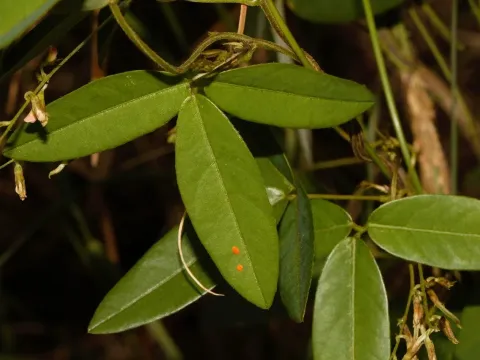
Teramnus
Teramnus
Sowing times for Teramnus are highly dependent on the local climate as the plant is sensitive to temperature fluctuations. In tropical regions, planting typically coincides with the beginning of the rainy season to ensure adequate soil moisture for germination.
What the section contains


Teramnus
Optimal soil temperature for sowing should be at least 20–22 degrees Celsius to ensure vigorous growth. Planting in cold soils often leads to delayed emergence and an increased risk of seed decay.
Seeding rates depend on the intended application: higher densities are used for cover crop purposes, while lower rates are preferred for intercropping. Precise spacing helps manage competition for light and nutrients.
Seeds should be planted at a depth of 2–3 centimeters with good soil coverage. Scarification of seeds before planting is a recommended practice to overcome dormancy and increase overall germination success.
Since Teramnus has a climbing growth habit, ensuring proper support or planting it alongside robust crop species is vital for optimizing space and achieving high biomass yields.
Teramnus belongs to the Fabaceae family and is recognized for its nitrogen-fixing capabilities. It thrives in warm, humid climates and is well-suited for cultivation in tropical and subtropical zones.
The plant is versatile regarding soil types but prefers well-drained loams. Excessive moisture, particularly if water stagnates, can severely hinder root health and may lead to plant failure.
A neutral to slightly acidic soil pH is ideal for the crop's development. Phosphorus fertilization is often beneficial to support both plant growth and the activity of beneficial nodule-forming bacteria.
While the plant tolerates partial shade, it achieves maximum productivity in full sunlight. Long periods of drought during the flowering phase can significantly impact both vegetative biomass and seed production.
Implementing a proper crop rotation strategy is essential to prevent the buildup of soil-borne pathogens. Monitoring soil health and nutrient levels regularly allows for better adjustment of agronomic practices.
The primary use of Teramnus is for high-quality forage production. The foliage is rich in proteins, making it an excellent component for livestock feed, providing essential nutrients for cattle and other animals.
In agroforestry and orchard management, Teramnus acts as an effective cover crop. It shades the soil, suppresses weeds, and prevents soil erosion, ultimately reducing the need for chemical herbicide use.
Biomass yield varies significantly based on environmental conditions and management practices. With sufficient water and nutrient availability, the plant can generate substantial organic matter quickly.
Seed production requires careful monitoring as pods can shatter upon maturity. Timing the harvest accurately is critical to capturing the maximum amount of seed while minimizing field losses.
As a green manure crop, Teramnus contributes to soil structure improvement. Incorporating its biomass back into the soil helps replenish nitrogen and improves overall fertility for subsequent crops.
Teramnus is susceptible to various fungal diseases, including anthracnose and powdery mildew, which can affect leaves and reduce photosynthetic efficiency. Regular scouting is required to detect early symptoms.
Pests such as aphids and leaf-eating caterpillars can cause significant damage to young plants. Implementing an integrated pest management program helps mitigate these risks without relying solely on chemical treatments.
Root rots pose a threat in poorly drained soils. Maintaining proper field drainage and avoiding overly heavy soil textures are effective ways to protect the root systems of the crop.
Nematode infestations can lead to decreased vigor and overall yield losses. Using resistant varieties and following strict crop rotation cycles is the best defense against these microscopic pests.
Virus transmission by insect vectors is a challenge in some regions. Controlling the population of insect vectors is crucial to prevent the spread of viral infections within the crop stand.
Forage harvesting should be scheduled during the budding or early flowering stages to ensure the highest protein content and digestibility. Late harvesting leads to high lignin content and reduced feed value.
When harvesting for seeds, the process begins when the pods turn dark but before they rupture. Using specialized equipment helps minimize pod shatter and seed loss during mechanical harvesting.
Post-harvest processing involves drying the seeds in a ventilated area to achieve a safe moisture content for storage. Proper storage conditions are essential to maintain high germination rates for the next season.
The remaining plant biomass after seed harvest can serve as mulch or a source of organic fertilizer. This practice is beneficial for maintaining soil organic carbon levels in intensive farming systems.
Operational efficiency during harvest depends on maintaining a uniform stand and minimizing weed infestation, which can complicate the use of mechanical harvesting machinery.