
Tessmannia
Tessmannia
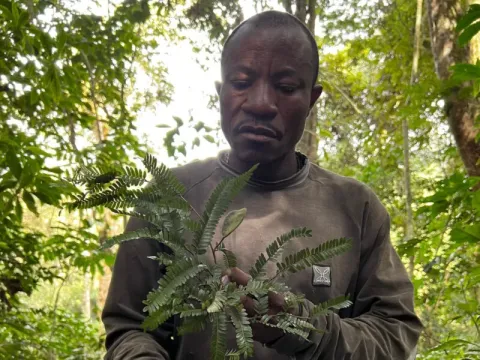
Tessmannia is a genus of trees belonging to the Fabaceae (legume) family, native to the tropical forests of Africa. These trees are typically found in high-humidity zones that receive consistent rainfall, forming a part of the complex tropical forest ecosystem.
What the section contains


Tessmannia
For successful cultivation, the species requires deep, well-drained soils that mimic their natural habitat. Poorly drained or compacted soils are detrimental, as they hinder root respiration and increase the risk of fungal infections in the root zone.
The climate requirements include a warm environment with minimal seasonal variance. The plant thrives under high light conditions; however, saplings often require partial shade during their early growth stages to prevent desiccation and heat stress.
Standard agronomic practices for this genus involve careful monitoring of seedling development in nurseries. Because these trees grow relatively slowly, establishing long-term management plans for plantation sites is essential for sustainable harvest.
The economic utility of Tessmannia lies in its durable timber, which is often used for high-end carpentry and construction. Furthermore, its ability to fix nitrogen in the soil makes it a beneficial component of agroforestry systems that aim to restore soil fertility.
Major threats to Tessmannia health include various fungal pathogens that flourish in tropical humidity. Root rot is a common issue when soil aeration is insufficient, leading to a decline in tree vigor and eventual mortality.
Insect pests, particularly wood-boring beetles and termites, pose a significant risk to these trees. They can penetrate the bark and feed on the inner wood, weakening the structural integrity of the plant and making it susceptible to wind damage.
Deforestation and habitat loss are the primary ecological threats to the survival of Tessmannia populations. The loss of canopy cover changes the microclimate, which negatively affects the recruitment and survival of young trees.
Competition from fast-growing invasive plant species can crowd out Tessmannia seedlings. To maintain a healthy stand, silvicultural interventions are required to ensure the target trees receive adequate light and nutrient access.
Disease management strategies focus on maintaining high standards of forest hygiene. Removing infested debris and ensuring that plantations are not overcrowded are crucial steps to prevent the rapid spread of infections among the trees.