
Tephrosia uniflora
Tephrosia uniflora
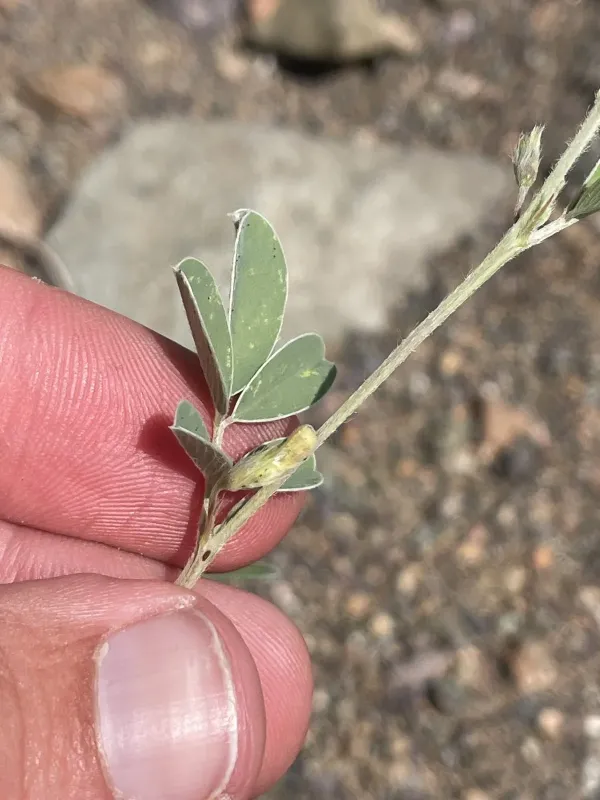
Description
Sowing dates
Tephrosia uniflora is a legume species within the Fabaceae family, well-adapted to tropical climates. Planting usually commences at the onset of the rainy season to ensure sufficient moisture for germination and establishment.
Seeds are sown in rows or broadcasted, with careful attention to depth, typically 2–4 cm deep. Because the seed coat is relatively hard, scarification is often recommended to improve the uniformity and speed of emergence.
Density depends on the intended use; for green manure applications, a high seeding rate is preferred to suppress weed competition and maximize biomass accumulation within a single season.
The plant benefits from the symbiotic relationship with rhizobia bacteria, which is essential for nitrogen fixation. Inoculation of seeds with appropriate strains can significantly improve seedling vigor in new fields.
Seedlings develop rapidly once the temperature is optimal. Proper soil preparation before sowing is critical to ensure a fine tilth and minimize early competition from invasive weeds.
Growing requirements
Tephrosia uniflora thrives in high-sunlight environments and is highly sensitive to shade. Full exposure to light is necessary to achieve maximum photosynthetic efficiency and plant height.
The crop prefers well-drained, sandy or loamy soils. It exhibits excellent tolerance to nutrient-poor soils due to its biological nitrogen fixation capability, although it performs best in soils with adequate phosphorus levels.
Ideal temperatures range between 25°C and 35°C. The species is highly susceptible to frost and is strictly limited to frost-free tropical or subtropical geographical regions.
Adequate soil aeration is required to support the root system and the activity of nitrogen-fixing bacteria. Cultivation should include light hoeing to break crusts, especially after heavy rainfall.
Soil pH should ideally be neutral or slightly acidic. On highly alkaline or saline soils, the plant may show symptoms of nutrient deficiency, such as chlorosis, due to poor mineral uptake.
Yield
The primary yield of this crop is its biomass, which serves as a potent source of green manure. When harvested at the right phenological stage, it contributes substantial organic matter and nitrogen to the soil profile.
Seed production is influenced by the density of local pollinator populations, as the flowers require cross-pollination. High-quality seeds are vital for maintaining crop purity and future yield potential.
Yield management requires careful monitoring of the crop’s development cycle. Harvesting at the peak of vegetative growth is essential to prevent the plant from becoming too woody or fibrous.
In well-managed systems, Tephrosia uniflora can yield multiple tons of biomass per hectare, providing an effective solution for soil fertility improvement in sustainable farming systems.
The plant's ability to maintain high biomass yields during the dry season, provided it has established a deep root system, adds to its value as a resilient forage or green manure option.
Main diseases and pests
Common pests include aphids and various lepidopteran larvae that can defoliate the plant. Integrated pest management (IPM) practices, such as encouraging beneficial predatory insects, are effective.
Root rot is a prevalent disease, particularly in poorly drained soils where water stagnation occurs. Improving field drainage is the primary method for disease prevention and mitigation.
Nematode infestations can occur, especially in monocultures. Rotating Tephrosia with non-leguminous crops is strongly advised to disrupt the life cycles of soil-borne pathogens and pests.
Fungal leaf spots may manifest during periods of high humidity and heat. Ensuring adequate spacing between plants improves airflow and reduces the risk of fungal proliferation.
Regular scouting of the field is necessary during the vegetative phase to identify early signs of stress, whether caused by pests, disease, or nutrient imbalances in the soil.
Harvesting
Green manure is harvested at the onset of flowering when the nitrogen concentration in the plant tissue is at its highest, ensuring the maximum benefit for the subsequent crop in the rotation.
For seed harvesting, the pods should be collected when they have turned brown and reached a low moisture content. Proper timing prevents seed shattering in the field.
Seeds must be threshed and dried thoroughly in a well-ventilated, shaded area before storage to maintain high viability. Using sealed, moisture-proof containers helps protect them from pests and mold.
Incorporation of biomass into the soil is best done by chopping the plant residues and turning them into the topsoil. This allows for rapid decomposition and nutrient release for following crops.
Root systems should remain in the soil after harvest to ensure that the accumulated nitrogen and the benefits of soil structure improvement are fully utilized by the primary economic crops.