
Tephrosia villosa
Tephrosia villosa
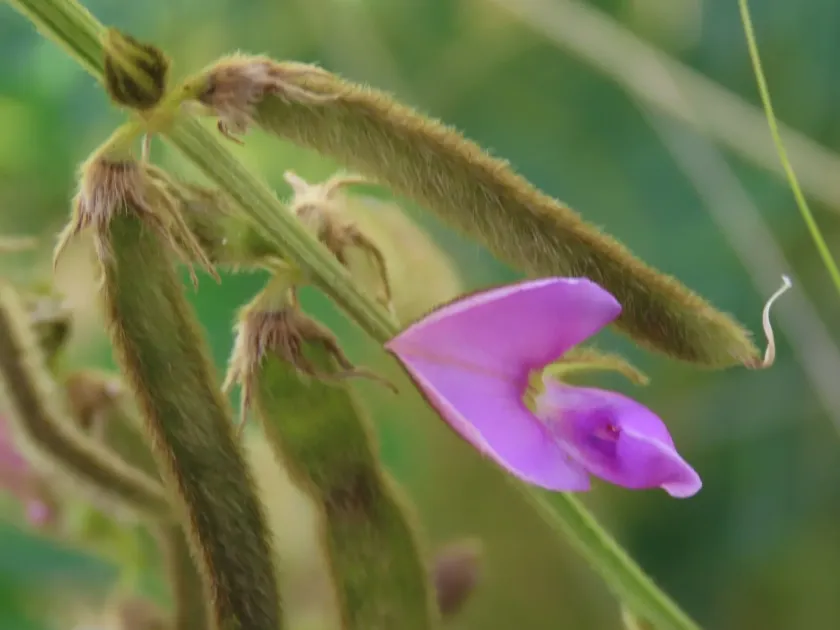
Description
Sowing dates
Tephrosia villosa is typically sown at the onset of the rainy season to ensure sufficient moisture for germination and early vegetative development. Planting during this period allows the crop to establish a robust root system before the onset of drier conditions.
Seeds of this species have hard coats, necessitating scarification prior to planting. This treatment significantly improves the germination rate and uniformity of the crop stand in the field.
Row planting is the preferred method, as it facilitates weed management and promotes even growth. The spacing should be adjusted based on whether the primary goal is green manure production or soil stabilization.
The crop is often used in rotation or as an intercrop to maximize land utility. Proper density ensures that the plant can fully express its potential in fixing atmospheric nitrogen.
Seed depth should generally not exceed 2–3 centimeters. Consistent soil-to-seed contact is vital, especially in tropical soils that may dry out quickly between rainfall events.
Growing requirements
Belonging to the Fabaceae family, Tephrosia villosa is a tropical legume adapted to arid and semi-arid environments. It thrives in regions with high solar radiation and is known for its resilience.
The crop prefers well-drained, sandy, or loamy soils. It is highly sensitive to waterlogging, which can severely damage the root system and inhibit the symbiotic nitrogen-fixing processes.
It forms a beneficial symbiosis with specific nitrogen-fixing bacteria, which allows it to thrive in nutrient-poor soils. This characteristic makes it an excellent candidate for land reclamation projects.
Full sunlight is essential for the healthy growth of Tephrosia villosa. It does not tolerate shade well, making it unsuitable for understory cultivation in dense canopy environments.
The plant is highly heat-tolerant, maintaining metabolic activity in temperatures that would stress many other agricultural crops. Its deep taproot allows it to access water reserves deep within the soil profile.
Yield
Tephrosia villosa is capable of producing significant biomass, often reaching 15–25 tons per hectare. This organic matter is crucial for improving soil structure and increasing carbon content.
For optimal green manure results, the crop should be harvested or incorporated into the soil just before the flowering stage. This timing captures the highest nitrogen concentration in the plant tissues.
Seed yield varies depending on environmental factors and pollinator activity. With proper management, the crop produces a reliable amount of seeds for subsequent planting cycles.
While primarily used as a cover crop or green manure, Tephrosia villosa can also serve as a forage supplement. However, its use in animal diets requires caution and should be balanced with other feed sources.
The indirect yield benefit is observed in subsequent main crops, which benefit significantly from the increased nitrogen availability and improved soil aeration provided by Tephrosia.
Main diseases and pests
Fungal diseases, particularly root rot, pose the greatest risk to Tephrosia villosa, especially when grown in poorly drained soils. Managing moisture levels is the most effective preventative measure.
Insect pests, such as leaf-eating beetles and pod borers, can impact crop development. Regular monitoring and integrated pest management are necessary to protect the yield during the vegetative and reproductive phases.
Powdery mildew may occur under conditions of high humidity combined with temperature fluctuations. Avoiding overcrowding of plants helps improve air circulation and reduces the risk of such outbreaks.
Biological control methods are preferred to maintain the crop's status as a sustainable agricultural component. Chemical pesticides should be used sparingly to avoid harming beneficial pollinator populations.
Maintaining high hygiene standards in the field and adhering to strict crop rotation schedules help minimize the accumulation of soil-borne pathogens and pests over consecutive growing seasons.
Harvesting
Harvesting for green manure involves mowing the biomass and incorporating it into the topsoil. This practice is essential for nutrient cycling and stimulating soil microbial activity.
Seed harvesting should be performed when the pods turn dark but before they dry out completely and shatter. Timely intervention ensures maximum seed recovery and prevents self-seeding in the field.
After mechanical harvest, residues are ploughed back into the land. This organic amendment is highly beneficial for the physical properties of the soil, particularly in tropical regions prone to erosion.
Seeds must be stored in cool, dry conditions to maintain viability. Proper storage prevents damage from moisture and pests, ensuring high-quality material for the next planting season.
The harvest schedule must be flexible to accommodate regional climatic variability. In tropical settings with reliable rainfall, farmers can often schedule harvests to coincide with optimal soil moisture levels for incorporation.