
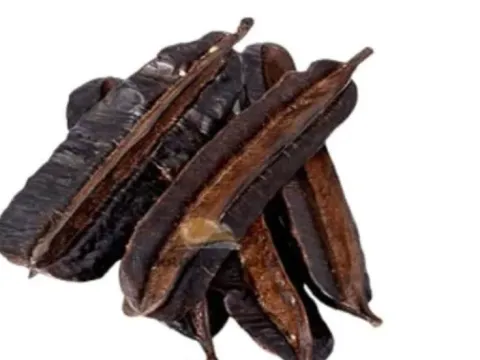
Tetrapleura
Tetrapleura
Cultivation of Tetrapleura (Tetrapleura tetraptera) primarily begins with seed propagation, which requires careful preparation due to the seed coat's natural hardness.
What the section contains

Tetrapleura
Farmers typically perform scarification or soaking in warm water for 24 hours to break seed dormancy and increase the germination success rate significantly.
Seeds are sown in nursery beds with rich, well-draining soil, where they are kept in a semi-shaded environment until they reach a robust seedling stage.
Once seedlings achieve a height of approximately 40–60 cm, they are transplanted into the field during the onset of the rainy season to ensure deep root establishment.
Spacing is a critical technical factor; maintaining a distance of at least 10 meters between trees prevents crown competition and ensures adequate nutrient uptake for each individual tree.
Tetrapleura is a strictly tropical species that thrives in regions characterized by high temperatures and consistent rainfall throughout the year.
It prefers deep, fertile, and slightly acidic loamy soils that possess excellent internal drainage, as the species is sensitive to waterlogged conditions.
Full solar radiation is essential for the tree's vegetative development, as shading negatively impacts the photosynthetic rate and the subsequent production of fruit.
While the tree shows resilience to seasonal weather fluctuations, supplemental irrigation during the critical early years of growth is highly recommended to ensure survival.
The selection of plantation sites should prioritize areas with good air circulation to mitigate the risk of fungal proliferation common in high-humidity tropical zones.
The time to first harvest for Tetrapleura is relatively long, with trees typically starting to bear fruit between 6 to 8 years after planting.
Mature, healthy specimens can yield substantial quantities of fruit pods, with productivity often peaking as the tree reaches its second decade of growth.
Sustainable yield management involves consistent monitoring of nutrient levels in the soil, particularly focusing on organic mulch that mimics the natural forest floor.
Harvesting frequency and intensity should be balanced to maintain tree health, avoiding over-pruning that could inhibit reproductive capacity in subsequent seasons.
Yield metrics are influenced by the genetic variety and the quality of pollination, which is primarily facilitated by local insect populations within the plantation ecosystem.
Fungal pathogens represent the most significant threat to Tetrapleura, often manifesting as root rot or leaf spot diseases when moisture levels are poorly managed.
Pest infestations, including various species of borers and defoliating caterpillars, can weaken the wood structure and lead to significant productivity losses if left unmanaged.
Sanitation practices, such as the removal of fallen leaves and infected branches, are essential to break the life cycle of common agricultural pests.
Monitoring for signs of nutrient deficiency or water stress is part of an integrated pest management strategy used to maintain the tree's natural defense mechanisms.
Chemical intervention should be used sparingly, prioritizing biological controls that support the long-term health and organic integrity of the harvested fruit pods.
Harvesting occurs when the fruit pods change from green to a dark, hard, and woody texture, indicating that the essential oil content has reached its peak.
The pods are harvested using shears or manual pulling, depending on the height of the canopy, ensuring that no damage is done to the tree’s structural limbs.
Post-harvest processing involves immediate drying, which prevents the pods from developing mold while preserving their delicate aromatic and therapeutic properties.
Drying is typically conducted in clean, ventilated environments away from direct exposure to soil contaminants to ensure the highest quality standards for medicinal use.
Once dried, the fruits are stored in breathable containers in cool, dark places, preventing moisture buildup that would otherwise degrade the product's quality over time.