
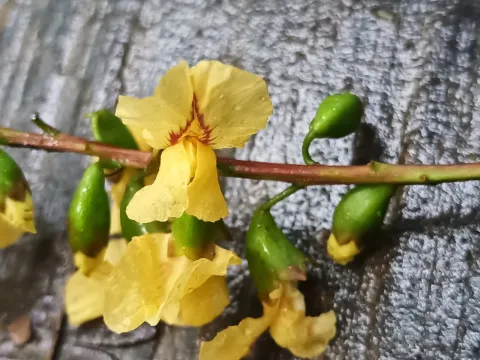
Pterocarpus officinalis
Pterocarpus officinalis
Pterocarpus officinalis is a notable member of the Fabaceae family, recognized for its adaptation to wetland environments. This tropical tree species naturally thrives in coastal areas and swamp forests across Central and South America.
What the section contains
Pterocarpus officinalis
The botanical structure of the plant includes a robust trunk and complex root systems designed to tolerate periodic flooding. Its canopy provides essential structural diversity within its native ecosystem.
Optimal growth is achieved in climates characterized by high temperatures and consistent rainfall throughout the year. The species is strictly tropical and cannot withstand frost or cold wind exposure, which can cause severe damage.
Soil requirements involve deep, nutrient-rich substrates. While it adapts to various soil textures, the species prefers sites that can retain moisture during the growing season while maintaining adequate aeration for root health.
Economic importance is centered on its timber, which is highly valued for its durability and resistance to biological decay. Additionally, the tree produces a medicinal resin known for its therapeutic properties in traditional practices.
Fungal infections, particularly leaf spot diseases, frequently occur in high-humidity environments. These pathogens can stunt the growth of young trees if proper spacing and air circulation are not maintained.
Pests such as wood-boring beetles present a primary challenge for mature forest stands. Infestations can compromise the structural integrity of the timber, significantly reducing its commercial value.
Defoliating insects can occasionally reach outbreak levels, leading to significant loss of leaf biomass. Such damage reduces photosynthetic capacity and lowers the overall vigor of the plant population.
Root system health is vital, as excessive standing water combined with poor drainage can trigger root rot. Sustainable management practices must include regular site assessments to prevent waterlogging issues.
Invasive weed species compete with seedlings for light and nutrients during the early stages of plantation development. Effective site preparation and manual clearing are necessary to ensure high survival rates.