
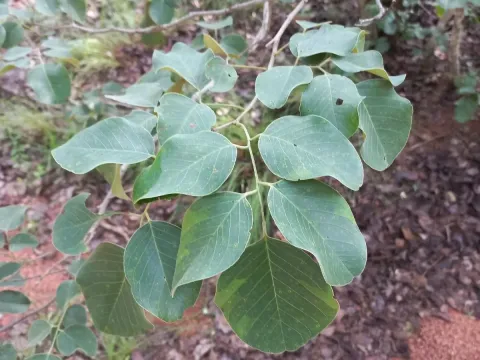
Pterocarpus rotundifolius
Pterocarpus rotundifolius
Pterocarpus rotundifolius is typically propagated through seeds, which should be collected from mature, healthy trees. Sowing is best timed at the onset of the rainy season to provide consistent moisture for germination and early seedling development.
What the section contains
Pterocarpus rotundifolius
The seeds possess a hard seed coat that often requires mechanical or chemical scarification to break dormancy. Pre-treating seeds significantly improves the germination percentage and ensures more uniform seedling growth in nursery beds.
Seedlings should be raised in well-drained, nutrient-rich potting media. Providing light shade for the first few months is crucial, as intense direct sunlight can lead to excessive transpiration and damage young shoots.
Transplanting to the field should occur when the seedlings have reached a robust height, usually after one full growing season. A careful root-ball management during transplantation is necessary to ensure high survival rates.
Spacing requirements vary depending on whether the primary goal is timber production or agroforestry. Proper spacing prevents overcrowding and ensures that each tree has sufficient resources to develop a straight, high-quality trunk.
As a member of the Fabaceae family, this species is naturally adapted to tropical and subtropical savannas. It is a hardy, deciduous tree known for its ability to withstand prolonged dry spells once established.
The tree thrives in well-drained sandy to loamy soils. While it can adapt to various soil types, it is highly sensitive to waterlogged conditions, which can lead to root rot and stunted growth over time.
Pterocarpus rotundifolius requires full exposure to sunlight to maximize its growth potential. It is classified as a light-demanding species, meaning that understory competition or excessive shade will negatively impact its biomass accumulation.
Temperature requirements are consistent with tropical climates, though the species shows surprising resilience to cooler temperatures in mountainous regions. It is well-suited for hot, arid environments where other woody species might struggle.
Maintaining soil fertility through organic mulching and ensuring adequate weed control during the establishment phase are essential agronomic practices for promoting rapid initial growth and long-term health.
The primary economic value of this culture lies in its high-quality, durable timber. The wood is esteemed for its hardness, attractive grain, and resistance to decay, making it a sought-after material for furniture and fine woodwork.
Beyond timber, Pterocarpus rotundifolius contributes significantly to nitrogen fixation, acting as a natural soil enhancer. Integrating this tree into crop systems helps replenish soil fertility for other agricultural crops.
The leaves and young branches serve as a valuable forage resource, especially during the dry season when other pasture vegetation is scarce. This multi-use characteristic makes it an important species for integrated farming systems.
Management practices such as pruning and selective thinning directly influence yield quality. By managing the canopy and trunk development, growers can produce logs with fewer knots and better structural integrity.
The rotational cycle for timber harvesting can span several years, but the long-term yields provide sustainable economic returns for landowners interested in forestry and agroforestry practices.
The species is susceptible to various stem-boring insects that can tunnel through the heartwood, drastically reducing timber quality. Integrated pest management strategies, including monitoring and biological control, are highly recommended.
Fungal leaf spot diseases can occur during periods of high humidity and poor aeration within the canopy. Improving airflow by managing plant density and removing diseased foliage are effective preventive measures.
Mammalian herbivores often pose a threat to young trees by browsing on tender shoots or gnawing the bark. Protective fencing or tree guards are essential in areas where wild animals or livestock are present.
Nutrient deficiencies, while rare in native habitats, can manifest in intensively managed plantations. Soil testing and the application of balanced micronutrients can help maintain tree vigor and resistance to pathogens.
- Periodic visual inspection for signs of wood-boring pests.
- Sanitary pruning of dead or infected branches.
- Maintaining optimal spacing to ensure adequate light and air.
- Using physical barriers to prevent bark damage by animals.