
Pterogyne
Pterogyne
Pterogyne (Pterogyne nitens) is a monotypic genus of flowering plants belonging to the family Fabaceae. This tree is native to the tropical and subtropical regions of South America, primarily flourishing in Brazil, Argentina, and Paraguay.
What the section contains

Pterogyne
The culture thrives in well-drained soils and is specifically adapted to seasonally dry forests. Its ability to tolerate periods of moisture scarcity makes it a resilient species for reforestation and agroforestry programs in warmer zones.
Pterogyne requires significant solar exposure to reach its full growth potential. It is sensitive to severe frost, so optimal cultivation is restricted to climates where temperature fluctuations remain within moderate tropical ranges.
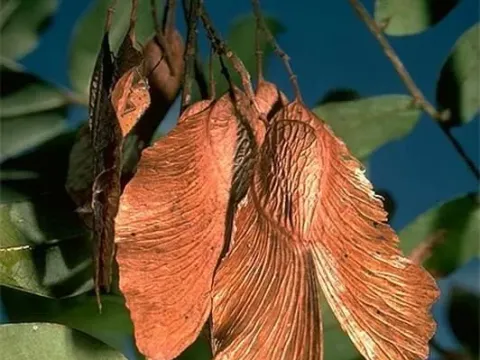
Botanically, it is a medium-sized tree known for its feathery, pinnate leaves and small flowers. A defining feature is its winged fruit, which aids in seed dispersal across open landscapes via wind currents.
In economic terms, the wood of Pterogyne nitens is highly valued for its durability and structural integrity. It is extensively used in local carpentry, fine cabinetry, and construction, making it an economically significant timber tree.
Fungal infections in the root zone are among the primary threats, especially when soil drainage is insufficient during the seedling stage. Implementing effective irrigation management is essential for long-term health.
Leaf-eating pests often target young saplings, potentially hindering early development. Growers are advised to utilize integrated pest management techniques, emphasizing biological control to keep damage levels within acceptable limits.
Bark-boring insects may pose a risk to older, stressed specimens within a plantation. Regular monitoring and surgical sanitation practices, such as removing affected branches, can significantly reduce the risk of further infestations.
Weed competition is a critical challenge during the establishment phase of Pterogyne. The use of organic mulch helps retain moisture and suppresses the growth of competitive invasive weeds around the base of the trees.
Maintaining biological diversity within the forest stands helps naturally regulate pest populations. Adhering to strict silvicultural guidelines ensures that the trees develop a strong immune system against common agricultural diseases.