
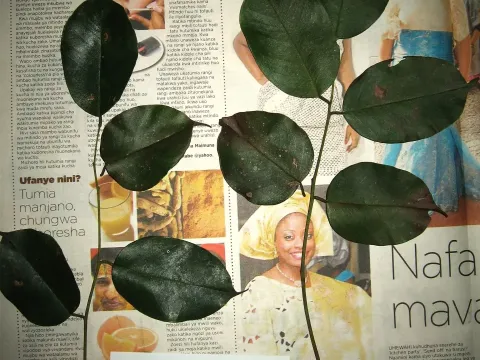
Pterocarpus tinctorius
Pterocarpus tinctorius
The sowing of Pterocarpus tinctorius is primarily carried out using seeds that require preliminary scarification to improve germination rates. The optimal time for establishing plantations is at the beginning of the rainy season, which provides sufficient moisture for the root development of young seedlings.
What the section contains
Pterocarpus tinctorius
The planting technology involves using prepared beds or nursery-raised seedlings aged 3-4 months. Planting density varies depending on the intended use: a wider spacing is typically practiced for timber and dye production to ensure adequate light penetration.
The seeds of this species are sensitive to planting depth, which should not exceed 2-3 cm to ensure uniform emergence. Soil temperatures during sowing should be at least 25 degrees Celsius, which promotes intensive metabolic processes in the embryo.
For industrial cultivation, it is crucial to ensure the absence of weed competition during the early stages, as young plants have a slow growth rate. Mulching between rows is recommended to conserve soil moisture and suppress weeds.
Utilizing the nitrogen-fixing properties of this legume allows for a reduction in mineral fertilizers. On nutrient-poor soils, additional inoculation of seeds with specific strains of nodule bacteria can be performed to enhance symbiotic efficiency.
Pterocarpus tinctorius belongs to the Fabaceae family and is a valuable perennial tropical plant. The crop has high climatic requirements, favoring regions with well-distributed rainfall and an absence of extreme temperature fluctuations.
Optimal growth conditions involve well-drained, fertile soils with a neutral or slightly acidic pH level. The crop reacts negatively to waterlogging, so selecting a site with natural or artificial drainage is critical for the long-term viability of the plant.
The plant shows a high dependence on solar radiation, preferring open areas with full daily light. Shade tolerance decreases with age; therefore, plantations require regular canopy thinning to maintain productivity and pigment synthesis.
Agricultural requirements include regular cultivation around the base of the trees to ensure root system aeration. This is especially important in heavy clay soils where the risk of root oxygen deprivation is significantly higher.
During prolonged droughts, young plantings require supplemental irrigation, despite the relative drought tolerance of mature trees. Sustainable development is only possible when a balance of micronutrients is maintained within the soil horizon.
The yield of Pterocarpus tinctorius is measured by the output of valuable raw materials used in the paint, dye, and textile industries. The main product is the extractable substance derived from the wood and bark, which possesses strong coloring properties.
Maximum productivity is reached when the plant is 10-15 years old, as the concentration of dye pigments in the heartwood reaches peak levels. During this stage, selective timber harvesting can be performed without endangering the entire plantation.
Yield metrics depend on lighting conditions and soil humus content. Research indicates that intensive agronomic practices can increase the concentration of active substances in the raw material by 15-20%.
Standardizing the harvest requires adherence to post-harvest processing protocols, including drying and proper storage of wood. The moisture content of the stored raw material should not exceed 12% to prevent fungal degradation.
Calculated per hectare, the economic efficiency of this crop is comparable to other technical legume trees. Additional revenue can be generated by using the biomass as organic fertilizer after the extraction process.
Typical diseases of Pterocarpus include fungal bark infections, which often occur due to poor moisture management and high planting density. In high-humidity conditions, anthracnose may develop, causing leaf spotting and premature defoliation.
Pests are primarily represented by wood-boring insects that damage the timber during active sap flow. Regular monitoring of the trunks allows for the timely identification of infestation hotspots and the application of necessary sanitary measures.
Nematode damage to the root system occurs in sandy soils if crop rotation rules are ignored. Prevention involves integrating phytosanitary crops into the planting scheme to suppress pest populations in the soil.
Leaf-eating insects can harm young plantings, reducing the plant's photosynthetic capacity. In such cases, biological control methods or systemic insecticides with short withholding periods are recommended.
General phytosanitary safety requires strict adherence to hygiene protocols, such as disinfecting tools during pruning. Timely removal of affected plant parts prevents the spread of epidemics throughout the plantation.
Harvesting Pterocarpus tinctorius is a long-term process focused on obtaining wood biomass. Harvesting is usually performed by felling the trees or selective branch cutting, which allows the plant to regenerate through coppicing.
The optimal harvest time is during the biological dormancy period, when sap movement is minimal, which helps maintain higher wood quality and reduces the risk of fungal infection at the cut sites.
Mechanical harvesting is utilized, followed by sorting the wood by fractions. The valuable heartwood is separated from the sapwood, as the highest concentration of pigments is concentrated in the center of the trunk.
Collected raw materials undergo immediate processing or are stacked in well-ventilated structures. It is essential to prevent direct contact between the wood and the soil to avoid rot and loss of product quality.
Post-harvest preparation includes grinding the wood into chips or powder, which facilitates efficient pigment extraction. Modern processing technologies allow for the effective utilization of the entire biomass volume without significant waste.