
Pterocarpus
Pterocarpus
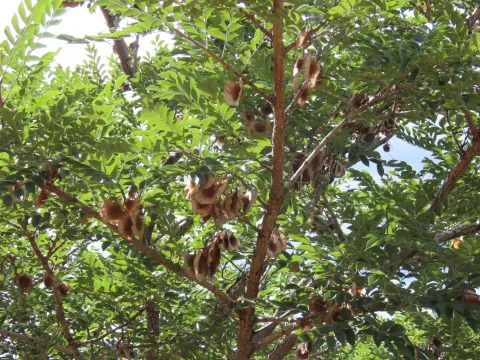
Pterocarpus is a significant genus within the Fabaceae family, encompassing tropical trees valued for their high-quality timber and medicinal extracts.
What the section contains


Pterocarpus
Successful cultivation requires tropical climates with consistent high temperatures and well-defined wet and dry seasons to support optimal growth cycles.
Soil preferences include deep, well-drained loam or sandy soils; the genus is highly intolerant of waterlogged conditions which inhibit root respiration.
Sunlight is critical for the development of these trees, necessitating plantation layouts that ensure canopy exposure and minimize competitive shading from dense vegetation.
Proper site preparation involves clearing invasive weeds and ensuring the soil structure allows for deep root penetration during the establishment phase.
The primary yield from Pterocarpus plantations is commercial timber, known for its density, rich color, and durability, making it highly sought after globally.
Harvesting cycles typically span several decades, reflecting the slow growth rate of the most valuable species such as Pterocarpus santalinus.
Yield metrics are influenced by planting density, with industrial practices favoring spacing that optimizes biomass accumulation while maintaining tree health.
Beyond timber, certain species contribute to secondary yields, including resins and essential oils that have historical significance in traditional medicine.
Strategic forest management focuses on long-term sustainability, ensuring that yield extraction does not deplete the surrounding ecological soil benefits provided by these legumes.
Root rot pathogens represent the most significant threat to young Pterocarpus stands, typically caused by improper soil moisture management or poor drainage.
Pests such as stem borers can severely compromise the structural integrity and aesthetic quality of the wood, leading to economic losses in timber production.
Fungal infections of the foliage, such as leaf spot, are common in humid environments and require regular monitoring and potential fungicide intervention.
Managing threats involves a combination of silvicultural practices, including proper spacing and sanitation, to ensure that infections do not spread between individual trees.
Integrated pest management strategies are increasingly adopted in professional plantations to minimize reliance on chemicals and promote natural ecosystem balance.