
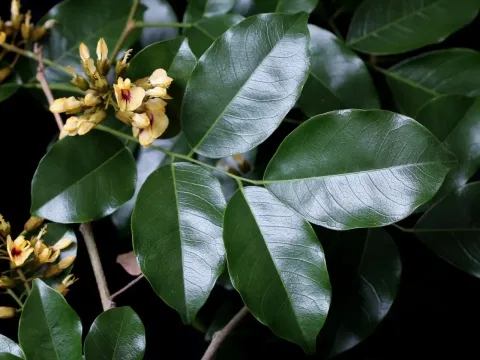
Pterocarpus rohrii
Pterocarpus rohrii
Pterocarpus rohrii is a tropical leguminous tree species belonging to the Fabaceae family, native to the forest landscapes of Central and South America.
What the section contains
Pterocarpus rohrii
The species thrives in warm, humid climates and is commonly found in riparian habitats and lowland forests where water availability is consistent.
It prefers deep, fertile, and well-drained soils, showing optimal growth when moisture levels are sufficient but not stagnant, ensuring root health.
Botanically, it is known for its pinnate leaves and winged fruit (samaras), which are specialized for effective seed dispersal by wind currents.
Beyond its ecological role, the wood is utilized for its density and durability, making it a reliable resource for sustainable timber production in the tropics.
Fungal pathogens represent the most significant threat, particularly in dense stands where air circulation is restricted and humidity levels remain excessively high.
Insect pests, such as wood-boring beetles, can cause localized damage to the tree trunk, affecting the structural integrity and quality of the lumber.
Severe seasonal droughts may induce stress, leaving the tree susceptible to secondary infections and opportunistic pests that target weakened specimens.
Competition from invasive weeds and aggressive vines during the seedling stage can significantly suppress growth rates if managed improperly.
Integrated pest management strategies focusing on thinning and proper site selection remain the primary defense against recurring biological threats.