
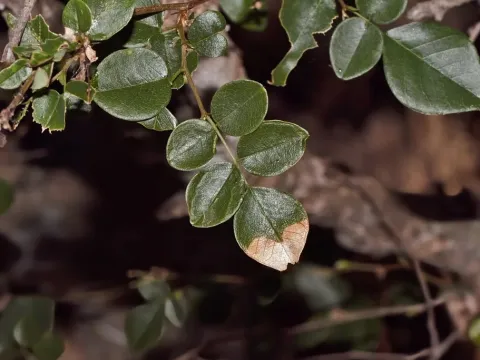
Pterocarpus lucens
Pterocarpus lucens
Pterocarpus lucens is a deciduous tree belonging to the Fabaceae family, native to the semi-arid regions of sub-Saharan Africa. It is highly valued for its ability to thrive in challenging environments where water is scarce.
What the section contains
Pterocarpus lucens
The tree demonstrates exceptional drought tolerance, making it an excellent candidate for reforestation in arid landscapes. It flourishes in areas with high light intensity and requires deep, well-draining soils for root development.
Climatic requirements involve a preference for distinct wet and dry seasons. While it can withstand prolonged heat, it is sensitive to waterlogging, which can cause root decay in heavy, clay-rich soils.
Cultivation techniques emphasize the importance of site selection and initial protection of seedlings. Providing sufficient spacing is crucial to prevent competition for sunlight, as Pterocarpus lucens is an obligate heliophyte.
As a nitrogen-fixing legume, the species plays a vital role in soil restoration. Its ability to improve soil nitrogen levels benefits the understory vegetation and adjacent crops in agroforestry systems.
The timber harvested from Pterocarpus lucens is recognized for its durability and resistance to pests. It is commonly utilized in local construction projects and for crafting agricultural tools and furniture.
A primary agricultural use of this tree is as a fodder source. During the peak of the dry season, the nutritious leaves provide essential protein for livestock when traditional grasses are unavailable.
Sustainable harvesting of foliage involves selective pruning. By cutting only a portion of the canopy, farmers ensure the tree continues to grow while providing a renewable source of forage for cattle and goats.
The bark and wood residues are frequently harvested for the extraction of tannins and pigments. These natural extracts are utilized in traditional leather tanning and fabric dyeing processes in many regions.
Beyond direct production, the species is integrated into shelterbelts to reduce soil erosion. By acting as a windbreak, it stabilizes the soil surface and mitigates the harsh effects of desertification on nearby farmland.