
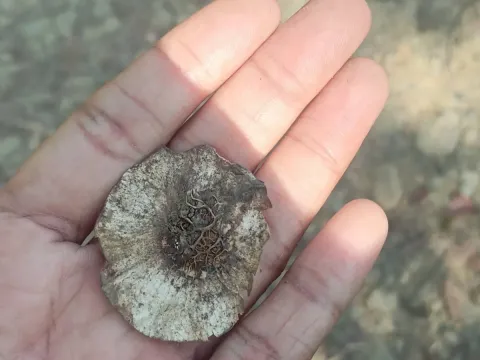
Pterocarpus dalbergioides
Pterocarpus dalbergioides
Pterocarpus dalbergioides, belonging to the Fabaceae family, is a notable tropical tree native to the Andaman Islands. This species is highly regarded for its stature and its capability to produce exceptionally dense and beautiful heartwood.
What the section contains
Pterocarpus dalbergioides
The tree thrives in humid tropical climates where temperatures remain consistently warm throughout the year. It requires a significant amount of rainfall to maintain its vigorous growth rate during the juvenile stages of development.
Soil requirements are quite specific: the species prefers deep, fertile, and well-drained soils. Loamy or alluvial substrates that prevent waterlogging are considered ideal for establishing sustainable plantations and ensuring healthy tree development.
Cultivation practices necessitate high solar radiation, as the tree is light-demanding. Planting strategies should include proper spacing to minimize competition for nutrients and light, which ensures the development of a straight, long trunk essential for high-quality timber production.
In terms of economic utility, this species provides the famous Andaman padauk timber. The wood is widely utilized in luxury furniture making, musical instruments, and high-end cabinetry due to its durability, rot resistance, and striking reddish color variations.
One of the primary threats to Pterocarpus dalbergioides is the prevalence of fungal pathogens in humid tropical environments. These pathogens often attack the roots or the trunk if the soil drainage conditions are compromised or if the tree is stressed.
Insect pests, particularly wood-boring beetles, represent a major challenge for forestry managers. These borers penetrate the sapwood and heartwood, creating tunnels that degrade the timber's quality and structural integrity, significantly lowering its market value.
Improper plantation management, such as overcrowding or the absence of sanitary pruning, can create environments where pests and diseases proliferate rapidly. Regular inspections and the prompt removal of infected materials are essential for maintaining plantation health.
Environmental changes and deforestation pose a severe risk to the long-term survival of the species. Sustainable forestry management is necessary to preserve the genetic diversity of this valuable tree and ensure that harvesting cycles are balanced with regeneration rates.
Management of the species should also focus on maintaining ecological balance within the plantation area. Promoting biological diversity can help control pest populations naturally, reducing the reliance on chemical pesticides and protecting the surrounding ecosystem.