
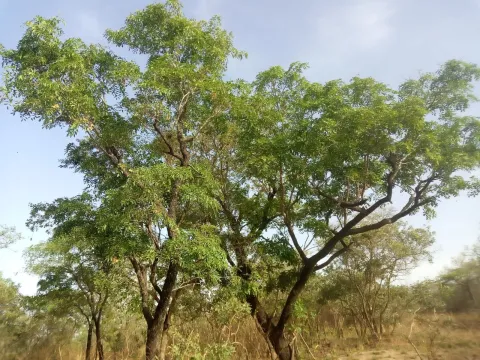
Pterocarpus erinaceus
Pterocarpus erinaceus
The propagation of Pterocarpus erinaceus is primarily achieved through seeds, which require specific pretreatment to break dormancy. Scarification of the seed coat is essential to ensure uniform and efficient germination.
What the section contains
Pterocarpus erinaceus
Sowing should ideally coincide with the onset of the rainy season. This timing ensures that seedlings have access to sufficient soil moisture during their most vulnerable stage of initial development.
Seeds are typically sown in nursery containers filled with well-draining potting media. This controlled environment allows for better survival rates compared to direct sowing in harsh field conditions.
Seedlings are ready for transplanting to their permanent locations once they reach a height of approximately 30–50 cm. It is crucial to clear competing weeds around the young trees during the first two years of growth.
Vegetative propagation using stem cuttings is also a viable technique. Using rooting hormones on semi-hardwood cuttings can significantly improve the success rate of establishing new clonal trees.
As a member of the Fabaceae family, this species is well-adapted to the savanna ecosystems of West and Central Africa. It thrives in tropical climates characterized by distinct wet and dry seasons.
Well-drained sandy or loamy soils are ideal for the growth of Pterocarpus erinaceus. The species is highly intolerant to waterlogging, which makes site selection a critical factor for plantation success.
The tree is a light-demanding species and performs best in open, sunny environments. Proper spacing during plantation establishment is necessary to avoid shading and to ensure maximum photosynthetic efficiency.
It exhibits strong drought tolerance once established, allowing it to survive prolonged dry spells. However, consistent moisture during the seedling phase is vital for vigorous early growth.
While it can grow in various soil types, fertile and slightly acidic to neutral soils promote faster development. Nitrogen-fixing capabilities help the plant survive in nutrient-poor environments.
The primary economic output of Pterocarpus erinaceus is its high-quality timber, commonly known as African rosewood. The wood is prized for its hardness, durability, and rich decorative color.
Beyond timber, the species serves as a vital forage crop. Its foliage is rich in proteins and minerals, providing essential fodder for livestock during the dry season when other grasses are scarce.
Resin production is another aspect of the crop, extracted from the bark for various traditional and industrial uses. This adds value to the standing trees beyond the final timber harvest.
Harvesting timber requires careful management and adherence to long-term rotation cycles, often spanning several decades. Thinning operations can provide early income while improving the quality of the remaining timber.
The environmental benefit of carbon sequestration and soil improvement through nitrogen fixation makes this crop an excellent candidate for integrated agroforestry and land restoration projects.
Pest infestations, particularly by defoliating insects, can impact young plantations. Integrated pest management strategies are recommended to maintain plantation health without damaging the ecosystem.
Root rot diseases pose a significant threat when plants are subjected to excessive soil moisture or poor drainage. Preventing water accumulation around the root zone is the best preventative measure.
Termites are known to attack the trunk and roots of older trees in specific regions. Monitoring tree health and maintaining good environmental hygiene help reduce the attractiveness of trees to wood-boring pests.
Uncontrolled wildfires are a major risk to young stands in savanna regions. Establishing firebreaks and implementing fuel management practices are necessary for the protection of tree assets.
Mechanical damage to the bark during maintenance activities can create entry points for pathogens. Proper training of personnel and the use of appropriate tools are essential for long-term tree health.