
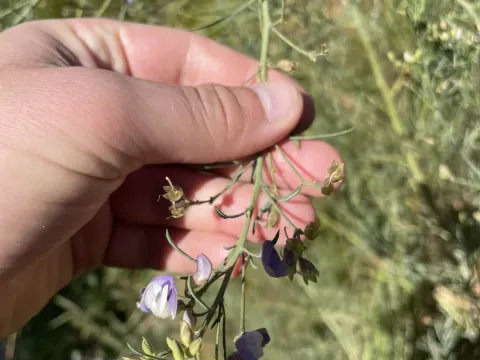
Psoralea verrucosa
Psoralea verrucosa
Psoralea verrucosa is a perennial shrub belonging to the Fabaceae family. This species is native to the diverse landscapes of Southern Africa, exhibiting unique adaptations for survival in specialized environments.
What the section contains
Psoralea verrucosa
The plant is historically distributed in the Cape region, where it thrives in sandy soils and rocky substrates. It is a resilient species that has adapted to the specific moisture patterns found within its natural habitat.
The botanical structure of the plant features distinctive warty growths on the stems, which is the primary trait defining its specific epithet. The leaves are generally trifoliate, and the inflorescences consist of flowers typical for the legume family.
Requirements for successful growth include well-drained soil conditions and plenty of exposure to natural sunlight. It is sensitive to waterlogging and requires a dry climate cycle to maintain its health and structural integrity.
Agricultural and economic use of this plant is primarily focused on soil enrichment through nitrogen fixation and its potential role in erosion control in regions with high soil sensitivity.
The primary threats to Psoralea verrucosa include fungal pathogens that affect the root system when the plant is grown in overly humid or poorly drained conditions.
Various insect pests, specifically leaf-chewing beetles and sap-sucking insects common in native ecosystems, represent a significant challenge during the vegetative development phase.
Seed production may be hindered by specific weevils that infest the pods, potentially reducing the overall yield and germination rates for the following season.
Preventative measures should focus on maintaining optimal soil moisture levels and ensuring adequate space between plants to allow for proper airflow and evaporation.
Competition from aggressive invasive weeds can also severely impact the plant's ability to establish itself, necessitating active field management during the early growth stages.