
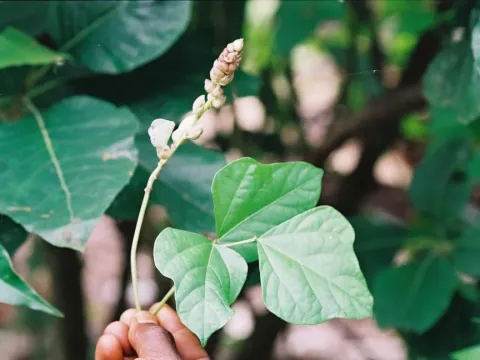
Psophocarpus scandens
Psophocarpus scandens
Psophocarpus scandens is a perennial herbaceous plant belonging to the Fabaceae family. Sowing is typically conducted at the onset of the rainy season to ensure optimal soil moisture levels for rapid seed germination.
What the section contains
Psophocarpus scandens
The seeds should be planted at a depth of 2 to 4 centimeters. Given the vigorous growth habit of this species, spacing between rows should be wide enough to accommodate the sprawling stems and leaves as the plants expand.
When used as a ground cover, density must be sufficient to allow for rapid canopy closure, which effectively suppresses weed growth and prevents soil erosion in humid tropical environments.
Seedbed preparation involves deep tillage to loosen the soil structure. Although the plant is capable of symbiotic nitrogen fixation, initial soil enrichment can promote stronger root development during the early growth stages.
Soil temperature requirements are strict, with germination occurring most reliably at temperatures ranging from 20 to 25 degrees Celsius. Ensuring warm and stable soil conditions is crucial for a successful crop establishment.
Psophocarpus scandens is highly sensitive to cold and requires a tropical or subtropical climate to thrive. The plant is extremely susceptible to frost, which can cause total failure of the crop stand.
The ideal soil type for this species is a fertile, well-draining loam. While it can tolerate short periods of waterlogging, it performs significantly better in soils that maintain adequate aeration and drainage.
A soil pH between 5.5 and 7.0 is optimal for nutrient availability and the activity of nitrogen-fixing bacteria. In more acidic soils, the effectiveness of the symbiotic relationship is often severely compromised.
Light intensity is a critical factor, as Psophocarpus scandens thrives in full sunlight. Excessive shading leads to elongated, weak stems and significantly reduces the overall biomass and reproductive potential of the plant.
Consistent water supply is essential during the peak vegetative growth phase. In regions with a pronounced dry season, supplemental irrigation is necessary to maintain plant vigor and prevent early senescence.
The primary agricultural value of Psophocarpus scandens lies in its high biomass production, making it an excellent source of protein-rich forage for livestock in tropical farming systems.
Beyond its use as animal feed, the plant serves as a powerful green manure crop. By fixing atmospheric nitrogen, it plays a vital role in natural soil fertility management, benefiting subsequent food crops in rotation.
Seed yields depend heavily on local pollinator activity and climatic conditions during the flowering phase. With proper management, established stands can be productive for several years without the need for constant reseeding.
In various local contexts, the plant also provides edible tubers or pods, demonstrating the multifunctionality of the species. This makes it a strategic choice for smallholder farmers seeking diverse agricultural outputs.
To maximize yields, timely weed management and protection against pests during the early establishment phase are critical. A healthy crop stand will provide substantial nutrient returns to the soil profile.
Common fungal diseases, such as leaf spot, are prevalent in areas with high humidity. These infections can lead to premature leaf drop and a reduction in the plant's photosynthetic capacity.
Pests, particularly aphids and various types of weevils, pose a constant threat by damaging tender shoots and floral buds. Such damage can drastically reduce both seed production and total forage quality.
Root-knot nematodes represent a significant underground threat, especially in fields where the crop is grown continuously without adequate rotation. This leads to weakened plants and higher susceptibility to secondary infections.
Preventative strategies include strict adherence to crop rotation cycles and the use of certified, disease-free seed stocks. Ensuring proper field hygiene is fundamental in limiting the spread of pathogens.
Integrated pest management (IPM) practices, including the use of biological control agents and resistant cultivars where available, are highly recommended to maintain crop health while minimizing environmental impact.