
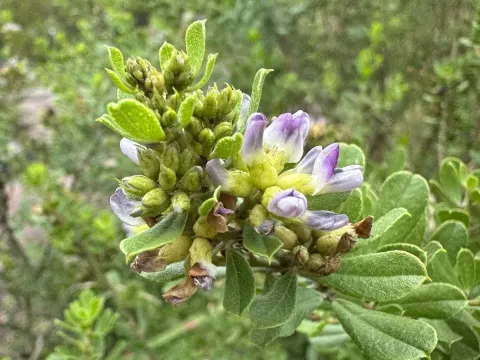
Psoralea
Psoralea
Sowing Psoralea should take place in spring once the soil temperature is consistently above +10°C to ensure uniform and rapid germination of the seeds.
What the section contains

Psoralea
Seeds are sown at a shallow depth, typically 2 to 3 cm, to prevent desiccation and allow the seedlings to emerge efficiently through the soil surface.
Using a drill seeder with row spacing of 45-60 cm is recommended to facilitate future mechanical weed control and maintain optimal plant density.
Before sowing, it is advisable to test the germination rate of the seeds and perform scarification if the seed coat is too hard, which is common in many species.
Adequate soil moisture at the time of sowing is crucial for establishment, therefore, soil preparation should prioritize moisture retention in the seedbed.
As a member of the Fabaceae family, Psoralea is highly valued for its ability to fix atmospheric nitrogen, thereby improving soil fertility naturally.
This crop thrives in well-drained, sandy loam soils and requires full sun exposure to reach its maximum biological and commercial yield potential.
Psoralea is exceptionally drought-tolerant, making it an excellent candidate for regions with limited rainfall or areas prone to seasonal water shortages.
The optimal climate for growth is characterized by long, warm summers with minimal atmospheric humidity to prevent the development of fungal infections.
Soil pH levels should be monitored, as the plant performs best in neutral to slightly alkaline conditions, avoiding acidic soil environments that inhibit growth.
Root rot represents a primary threat to Psoralea crops, particularly in fields with poor drainage or during seasons of excessive precipitation.
Insect pests, including various species of aphids and weevils, can significantly damage the leaf surface and tender young shoots during the vegetative stage.
Powdery mildew may occur if planting densities are too high, reducing airflow and creating microclimates favorable for the spread of pathogens.
Effective management involves regular scouting for early signs of infection and the use of targeted biological control agents or fungicides when thresholds are met.
To reduce pest pressure, a strict crop rotation program should be followed to avoid the accumulation of soil-borne pathogens common to legumes.