
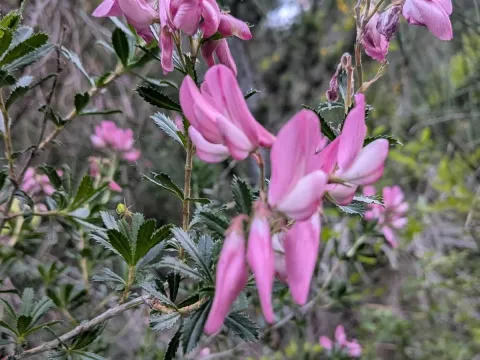
Shrubby restharrow
Ononis fruticosa
Shrubby restharrow (Ononis fruticosa) is a perennial member of the legume family (Fabaceae), known for its woody base and specific habitat requirements.
What the section contains
Shrubby restharrow
Seed sowing is typically scheduled for early spring, allowing the plants to establish their root systems before the onset of summer heat and drought.
When cultivating this species, it is advisable to use well-draining seedbeds to prevent seed rot, with a recommended sowing depth of approximately 2 centimeters.
For nursery-grown plants, transplanting to the field occurs once the seedlings have reached a sufficient height and the threat of severe spring frost has passed.
Adequate spacing, usually about 50 centimeters between rows, is crucial to maintain proper ventilation, which is vital for the health of this shrub-like perennial.
Ononis fruticosa thrives in full sun exposure, as it naturally originates from rocky slopes and open, dry meadows across Mediterranean regions.
The ideal soil for this crop is calcareous, stony, and lean; it performs poorly in heavy, clay-rich soils that retain too much moisture during the dormant season.
The plant is highly drought-tolerant, meaning it requires minimal irrigation once the plants have matured, making it a low-maintenance option for certain environments.
Temperature resilience is a key feature, as it can withstand temperate winters if the soil remains well-drained and the root crown is protected from prolonged saturation.
Fertilization should be handled with caution; excessive nitrogen application can lead to overly lush, weak foliage that is more susceptible to disease and winter damage.
While relatively robust, Shrubby restharrow can be susceptible to aphids, which tend to congregate on the tender tips of young growing shoots in late spring.
Powdery mildew represents the most significant pathological threat, especially in seasons with high humidity and poor air circulation around the base of the plant.
Root pathogens and rot are rarely an issue unless the plants are situated in areas prone to waterlogging or high water tables, highlighting the need for proper site selection.
Integrated pest management strategies are recommended, focusing on maintaining plant vigor through proper spacing and moisture control rather than heavy chemical use.
In cases of severe infestation, targeted applications of soaps or approved organic insecticides can effectively manage population levels without disrupting the local ecosystem.