
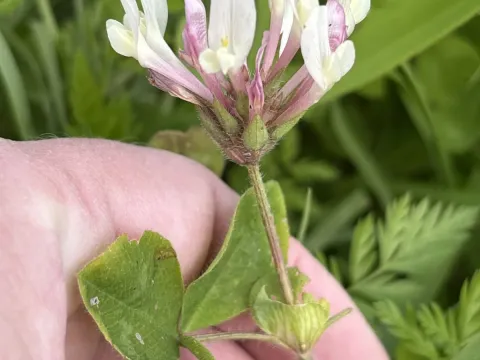
Shield clover
Trifolium clypeatum
Shield clover (Trifolium clypeatum) is an annual leguminous plant known for its adaptability to Mediterranean-type climates, functioning as a valuable component in fodder production.
What the section contains
Shield clover
The plant exhibits distinct botanical features, including characteristic hairy leaves and dense, shield-shaped inflorescences that give the species its common name.
Sowing typically takes place during the autumn or early spring season, depending on the local rainfall patterns to ensure adequate germination and early development.
Appropriate planting density is crucial to balance the plant competition and ensure optimal biomass production, which is the primary objective of cultivating this crop.
Seedbed preparation requires careful leveling to ensure uniform emergence, which is a critical step for maintaining consistent plant stands throughout the growing season.
This species thrives in well-drained, fertile soils with a neutral pH, demonstrating good tolerance to various textures, ranging from light loams to heavier clay soils.
The plant is highly dependent on sunlight and shows limited productivity in shaded areas, making it unsuitable for intercropping with tall, dense agricultural species.
Climatic requirements involve mild temperatures, as the crop is adapted to areas with relatively long, warm growing seasons and defined moisture cycles.
It responds well to supplemental potassium and phosphorus, which are essential nutrients for leguminous crops to facilitate efficient nitrogen fixation through root nodules.
Good soil structure and moisture management are required to maximize the biomass yield, although the plant shows respectable resilience during periods of moderate stress.
Common agricultural threats include fungal diseases such as powdery mildew and various leaf spots, which are often exacerbated by poor air circulation and high humidity.
Insects, particularly aphids and root-nodule weevils, represent the most frequent pests that can reduce the overall health and productivity of the clover stands.
Effective management includes maintaining appropriate plant density to ensure adequate airflow and monitoring the field for early signs of pest outbreaks.
Strategic crop rotation is essential for long-term soil health and pest control, preventing the buildup of species-specific pathogens in the agricultural landscape.
Farmers are advised to use certified seeds and adhere to integrated pest management practices to minimize the reliance on chemical inputs while maintaining yield targets.