
Shuteria
Shuteria
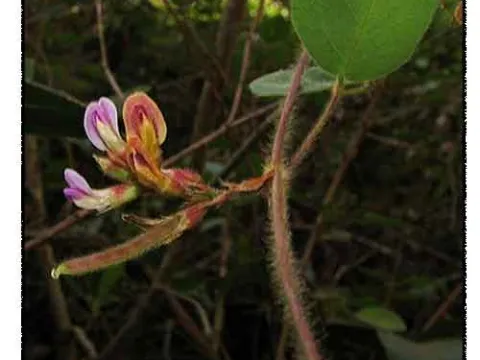
Shuteria (genus Shuteria) is a member of the Fabaceae family, comprising several perennial climbing or herbaceous species native to tropical and subtropical regions of Asia. These plants are valued for their ecological roles and potential use in agricultural systems.
What the section contains

Shuteria
The sowing period is typically aligned with the onset of the monsoon season. Successful establishment of the crop requires stable soil temperatures, preferably above 20°C, to ensure uniform germination and early seedling vigor.
Prior to planting, seed scarification is often recommended to break dormancy and enhance water uptake. Planting density should be carefully managed based on the specific species' climbing habit, typically employing row spacing that facilitates both mechanical maintenance and light penetration.
Inoculation with specific Rhizobium strains is essential to promote effective nodulation. This biological nitrogen fixation process is a cornerstone of cultivating Shuteria, as it enhances soil nitrogen content and supports the plant's nutritional requirements without excessive mineral fertilization.
Once established, the crop demonstrates rapid vegetative development. Proper spacing and sowing depth allow for consistent stand density, which is crucial for maximizing biomass production in forage or cover crop applications.
Shuteria thrives in well-drained, fertile soils ranging from sandy loams to clay loams. Effective soil drainage is paramount, as the roots are highly susceptible to hypoxia if waterlogging occurs, which can lead to stunted growth and root decay.
The climate requirements for this genus are distinctly tropical. Consistent heat is necessary for optimal development, as the plant lacks frost tolerance and struggles in cool climates where temperatures drop significantly below 15°C.
Water management is critical during the peak growing season. While the crop can tolerate brief dry spells once established, regular precipitation or supplemental irrigation is required to maintain the growth of its succulent foliage and overall plant vigor.
Light intensity significantly influences the productivity of the crop. While Shuteria shows some shade tolerance, full sun exposure is preferred to optimize photosynthetic efficiency and ensure the development of a healthy root system and dense biomass.
Soil fertility management focuses on maintaining balanced phosphorus and potassium levels. Given the plant's nitrogen-fixing capacity, nitrogen supplementation is rarely needed, allowing for sustainable cultivation practices with minimal chemical inputs.
Powdery mildew is a frequent disease challenge, particularly in humid environments with poor air circulation. This fungal condition creates a white, dusty layer on the foliage, significantly reducing the plant's photosynthetic capacity if not managed through proper canopy management.
Insects such as leaf-eating beetles and aphids pose a constant threat to biomass yield. Aphid infestations are particularly concerning due to their role as vectors for various viral diseases that cause leaf curling and systemic plant decline.
Root rot pathogens represent a severe risk in fields with poor drainage or compacted soil structures. These pathogens thrive in stagnant water, destroying the fine root hairs responsible for nutrient uptake and leading to sudden wilting and plant death.
Nematodes can become an issue in continuous cropping systems where the same host is planted year after year. Implementing crop rotation cycles involving non-leguminous plants is the most effective cultural practice for mitigating nematode populations in the soil.
Overall disease control relies on a proactive approach: selecting resistant varieties where available, maintaining balanced soil moisture, and ensuring sufficient spacing between plants to enhance ventilation and minimize the risk of pathogen outbreaks.