
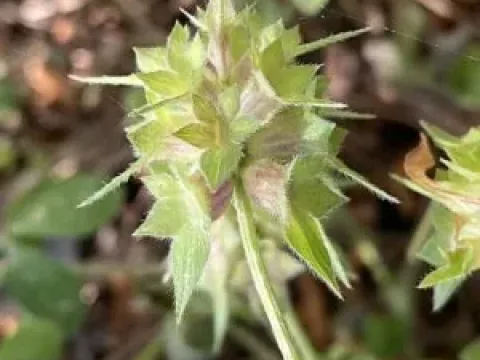
Shield clover
Trifolium scutatum
Shield clover, botanically known as Trifolium scutatum, is an annual legume grown primarily for forage and soil improvement. Sowing typically begins in early spring once soil temperatures reach stable levels above 8–10 degrees Celsius.
What the section contains
Shield clover
Seeds should be sown at a shallow depth of 1 to 2 centimeters to ensure optimal light exposure for early seedling development. Precise drilling is recommended to ensure uniform plant distribution across the field.
The seeding rate must be adjusted based on seed quality and local climatic conditions. Achieving a consistent plant density is crucial for maximizing yield and suppressing weed competition in the early stages.
After seeding, light rolling is beneficial to improve soil-to-seed contact. This practice is essential for maintaining moisture levels around the seeds, which promotes uniform germination in drier seasons.
Rotation practices should ensure that shield clover follows non-leguminous crops. This prevents the buildup of soil-borne pathogens and maximizes the benefit of nitrogen fixation provided by the clover roots.
This crop thrives in regions with temperate climates, preferring areas with moderate rainfall. While it can withstand short periods of heat, consistent moisture is required during its peak vegetative growth.
It adapts well to a variety of soil types, ranging from sandy loams to heavier clay soils. However, a well-draining soil is essential to prevent root rot, as the plants are sensitive to waterlogging.
Shield clover requires full sun exposure to reach its maximum productivity. Shaded environments inhibit its growth and lead to a reduction in the protein content of the harvested forage.
Nutrient management focuses on phosphorous and potassium levels, as the plant fulfills its nitrogen needs through symbiotic bacteria. Testing soil pH is vital, with an ideal range of 6.0 to 7.5.
The plant demonstrates excellent performance in improving soil structure through its dense root system. This makes it an ideal component for green manure programs in sustainable farming systems.
The primary threats to shield clover include fungal infections such as powdery mildew and various leaf spot diseases. These pathogens proliferate rapidly in high-humidity environments and can damage foliage.
Common insect pests include weevils and aphids, which target the leaves and reproductive organs. Integrated pest management (IPM) strategies, including monitoring and biological controls, are highly effective.
Weed control is critical during the establishment phase, as the young seedlings are vulnerable to competition. Using clean seed and mechanical cultivation can significantly reduce weed pressure.
Implementing a proper crop rotation cycle helps break the lifecycle of many pests and diseases. Avoiding monoculture reduces the risk of long-term soil health issues associated with specific pathogens.
When chemical interventions are necessary, they must be applied selectively to protect beneficial insects like pollinators. Always follow local agricultural guidelines for safe and effective pest treatment.