
Myroxylon balsamum
Myroxylon balsamum (L.) Harms
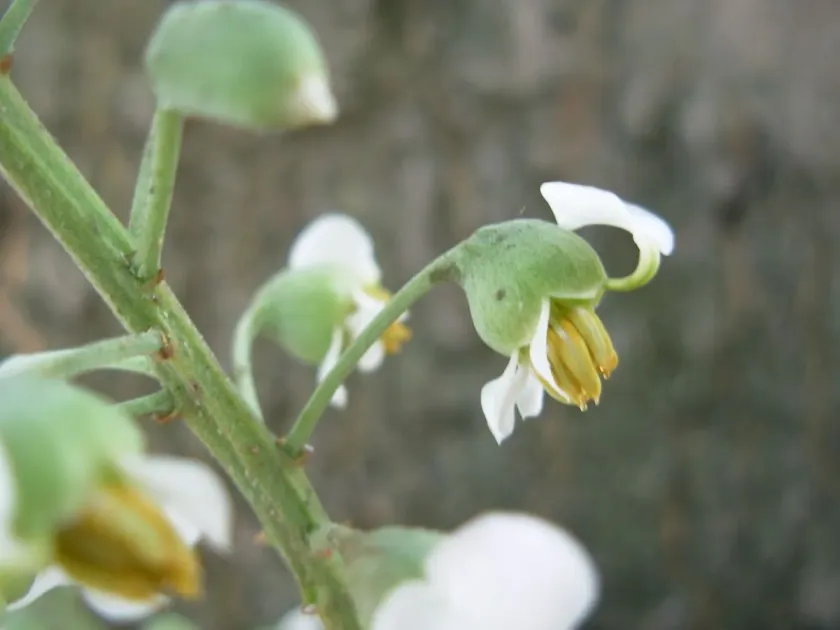
Description
Sowing dates
Myroxylon balsamum is a tropical forest tree that requires careful propagation starting with fresh, viable seeds gathered from mature specimens.
Seeds are sown in nursery containers using a well-draining, nutrient-rich soil mix, ensuring high humidity to support initial germination stages.
Seedlings remain in controlled nursery environments until they reach a robust size, which allows for better survival rates upon transplanting.
Successful planting in the field depends on regional climatic matching, as this species is highly sensitive to soil temperature and moisture fluctuations.
Once established, the trees exhibit slow growth, requiring long-term land management and patience before they reach the age of commercial productivity.
Growing requirements
This species thrives in humid tropical climates where consistent warmth and moderate rainfall contribute to its overall health and resin production.
Deep, fertile, and aerated soil is essential, as the roots require significant oxygen and space to spread without the interference of compacted soil layers.
While mature trees can tolerate full sun, young saplings often require partial shade to avoid heat stress and leaf scorch during the first few years.
Drainage is a critical factor in cultivation; waterlogged conditions are lethal to the root system, often leading to rapid root rot and tree collapse.
Regular maintenance of the forest floor, including the removal of competing invasive species, is necessary to provide adequate nutrients for the growth of Myroxylon.
Yield
The primary yield from this crop is Peruvian balsam, a fragrant resin extracted from the inner bark of the tree trunk.
Resin collection usually commences only after trees have reached maturity, often taking two decades of growth to provide sustainable harvests.
The harvest technique involves heating specific sections of the bark and creating controlled incisions, allowing the resin to be absorbed by absorbent cloths.
Sustainable yield management requires rotational tapping to allow the tree to repair its bark and restore its internal stores of the balsam substance.
This valuable exudate is widely utilized in the global fragrance industry, cosmetic formulations, and traditional medicinal applications for skin care.
Main diseases and pests
Fungal infections pose the greatest threat to Myroxylon balsamum, particularly after the tapping process if the wounds are not treated or protected.
Various wood-boring insects can infest the trunk, significantly weakening the structural integrity of the tree and reducing overall resin production.
Uncontrolled harvesting practices, such as excessive bark removal, can lead to premature tree mortality and permanent damage to the forest plantation.
Competition from fast-growing epiphytes and aggressive vine species can stunt the development of young trees, requiring consistent site management.
The absence of disease-resistant varieties means that monitoring and early detection of potential pests are essential to preserve the long-term viability of the crop.