
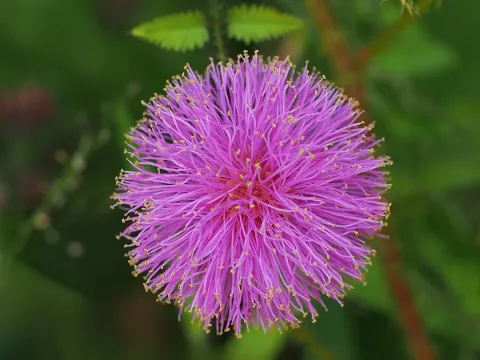
Mimosa quadrivalens
Mimosa quadrivalens
Mimosa quadrivalens is a perennial plant species belonging to the Fabaceae family. Native to the tropical regions of South America, particularly Brazil, it is increasingly studied for its agricultural potential in sustainable farming systems.
What the section contains
Mimosa quadrivalens
The plant thrives in well-drained soils and requires significant solar exposure to achieve maximum biomass production. It exhibits a remarkable ability to colonize degraded soils, contributing to restoration efforts through nitrogen fixation.
Optimal growth occurs in warm climates where temperatures remain consistently between 22 and 30 degrees Celsius. The species is sensitive to frost, which limits its commercial cultivation to frost-free tropical and subtropical zones.
Botanically, it is recognized for its compound, bipinnate leaves that display thigmonasty. The stems are often armed with small thorns, serving as a defensive trait against herbivores in its natural habitat.
In farming, it is utilized as a green manure or cover crop. Its symbiotic relationship with nitrogen-fixing bacteria allows it to enrich the soil, making it a valuable tool for farmers looking to reduce synthetic fertilizer inputs.
Common agricultural threats include spider mites and various lepidopteran larvae that target the foliage. Infestations can lead to significant defoliation if left unmanaged during the early stages of growth.
Fungal pathogens such as root rot and leaf spots present a risk in areas with high humidity or poor drainage. Proper site selection and water management are critical to prevent these infections.
Integrated Pest Management (IPM) strategies, including crop rotation and the introduction of beneficial insects, are recommended to maintain plant health without excessive chemical use.
Weed management is vital during the initial establishment phase, as the young seedlings are susceptible to competition from fast-growing weeds.
- Field sanitation to reduce inoculum sources.
- Monitoring soil moisture to prevent fungal development.