
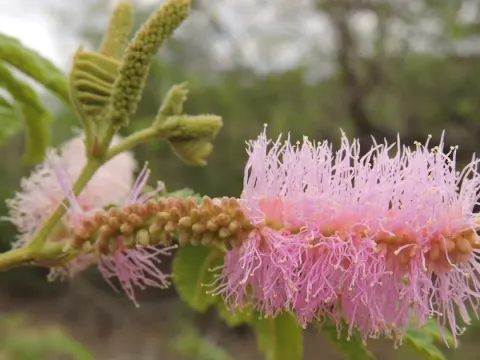
Mimosa verrucosa
Mimosa verrucosa
Mimosa verrucosa, commonly known as Mimosa, is a shrubby legume native to the semiarid regions of Brazil. This plant is well-adapted to the harsh conditions of the caatinga biome, making it a critical species for local environmental stability.
What the section contains
Mimosa verrucosa
Botanically, it is characterized by its woody structure and glandular branches which serve as a protective mechanism. The plant thrives in environments characterized by high light intensity and limited rainfall, showcasing a robust drought-tolerance profile.
Regarding soil requirements, the species is highly adaptable, preferring well-drained soils ranging from sandy to rocky textures. Its ability to fix nitrogen into the soil provides a significant advantage for improving agricultural soil health in impoverished regions.
Agricultural management of this crop focuses on sustainable practices, as it requires minimal irrigation and fertilizer inputs once established. Its ability to regenerate after environmental stressors makes it a valuable asset for reforestation projects.
The economic utility of the plant is diverse, spanning from the production of biomass for fuel to its role as a supplementary fodder source for livestock. Additionally, its aesthetic and ecological contributions are highly valued in arid zone landscape management.
The primary threats to Mimosa verrucosa health involve soil-borne fungal pathogens, which typically proliferate in conditions of stagnant water or poorly drained plots. Effective drainage management is the first line of defense against root decay.
Insect pests, including various beetle species and lepidopteran larvae, can target the foliage and younger stems, potentially reducing the plant's overall vigor. Monitoring for early signs of infestation is crucial during the early stages of growth.
Cultural control methods, such as maintaining appropriate planting distances to improve air circulation, significantly reduce the risk of foliage disease and pest colonization. High plant density in humid climates should be avoided to prevent fungal spread.
Biological control, leveraging natural predators and microbial agents, is highly recommended to protect the crop while preserving the integrity of the ecosystem. Chemical interventions should be used only as a last resort to minimize environmental impact.
Maintaining strong plant health through proper site selection and balanced ecological management remains the most effective strategy for preventing widespread outbreaks of diseases and pest damage in Mimosa verrucosa cultivation.