
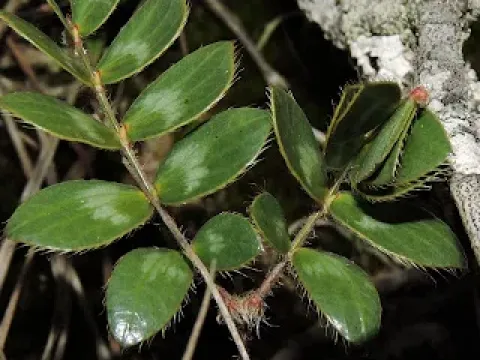
Mimosa modesta
Mimosa modesta
Mimosa modesta is a herbaceous perennial belonging to the Fabaceae family. As a crop, it is recognized for its potential in specific ecological niches, offering benefits typical of leguminous plants, such as soil enrichment through nitrogen fixation.
What the section contains
Mimosa modesta
Sowing in open fields should occur once soil temperatures consistently exceed 20 degrees Celsius. This ensures rapid germination and helps the seedlings establish a robust root system before environmental stresses peak.
Seed preparation is crucial due to the hard seed coat, which often necessitates scarification to improve water absorption. Ensuring high-quality seed lots with documented germination rates is essential for achieving an optimal plant population density.
The sowing depth is usually kept shallow, around 1 to 2 centimeters. This placement balances the need for protection against desiccation with the requirement for sufficient light and warmth to stimulate the germination process effectively.
Proper row spacing is recommended to facilitate future mechanical interventions, such as weed control and soil aeration. Achieving uniform spacing helps ensure that each plant has sufficient access to sunlight and nutrients, preventing overcrowding.
The crop thrives in well-drained, sandy loam soils with a neutral pH. Proper soil structure is vital, as Mimosa modesta is highly susceptible to root damage if the soil remains waterlogged for extended periods.
Full sun exposure is a requirement for optimal biomass production. Shaded environments cause the plants to become leggy, significantly reducing their vigor and overall quality as a potential forage or cover crop.
Temperature management is a primary concern for growers, as this species is sensitive to frost and low temperatures. The growing season must be strictly aligned with the local frost-free period to ensure successful cultivation and harvest.
Watering should be managed through drip irrigation systems where possible, providing consistent moisture without saturating the soil surface. This method reduces the incidence of fungal pathogens that often attack the foliage and stems.
Nutrient management focuses on phosphorus and potassium levels, which support root development and nodule health. Excessive nitrogen application is typically discouraged, as it may suppress the natural symbiotic nitrogen-fixing ability of the plants.
Root rot represents the most significant threat to Mimosa modesta, usually caused by over-irrigation or poorly drained soils. Maintaining proper drainage and avoiding excessive moisture in the root zone is the primary prevention strategy.
Spider mites are common pests that thrive in hot, dry conditions, often colonizing the underside of leaves. Early detection is critical, as severe infestations can lead to total defoliation and a significant decrease in crop productivity.
Aphids can cause stress on younger plants by draining nutrients and introducing secondary viral infections. Integrating biological control agents, such as ladybugs or parasitic wasps, provides a sustainable approach to managing these populations.
Powdery mildew is a potential issue during periods of high humidity and poor air circulation. Proper spacing between rows and ensuring clean cultivation practices help to prevent the spread of fungal spores across the field.
- Implement strict crop rotation.
- Use drip irrigation for moisture control.
- Monitor for mite and aphid infestations.
- Remove crop residues after harvest.
- Apply preventive biological fungicides.