
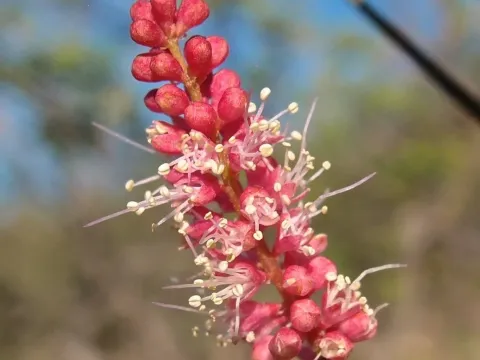
Mimosa laxiflora
Mimosa laxiflora
Mimosa laxiflora is a woody shrub belonging to the Fabaceae family, well-regarded for its resilience in tropical environments. Botanically, it is classified within a diverse genus that plays a significant role in savanna and forest edge ecosystems.
What the section contains
Mimosa laxiflora
The native distribution of this species spans across regions of Central America. It thrives in well-drained soils, often demonstrating a preference for areas where seasonal rainfall patterns dominate the vegetative cycle of the local flora.
Temperature requirements for Mimosa laxiflora are strictly within the tropical range, as the plant does not tolerate frost. High solar radiation is essential for the plant to achieve its maximum photosynthetic capacity and biomass development.
One of the most notable features is the plant's symbiotic relationship with soil bacteria. This allows the shrub to fix atmospheric nitrogen, essentially enriching the soil in which it grows and benefiting the surrounding plant community.
Agricultural use of this species often focuses on its ability to stabilize loose or degraded soils. By planting Mimosa laxiflora in prone areas, farmers can mitigate erosion while potentially creating a sustainable source of biomass for local use.
The health of Mimosa laxiflora is primarily challenged by fungal infections that thrive in conditions of high humidity and poor ventilation. Root rot is a common issue if the planting site does not allow for efficient water drainage.
Insects such as leaf-eating beetles and weevils pose a major threat to the foliage. These pests can rapidly defoliate younger shrubs, leading to stunted growth and weakened plants that are more susceptible to secondary infections.
Management of these threats involves a combination of cultural practices and targeted interventions. Maintaining proper spacing between plants is crucial to ensure adequate airflow, which naturally reduces the risk of fungal outbreaks.
Integrated Pest Management (IPM) strategies are recommended for managing the populations of harmful insects. This includes monitoring for early signs of damage and prioritizing biological control agents over broad-spectrum chemicals.
Regular inspection of the root zone and stems is advised to identify early symptoms of stress or pathogen infiltration. Maintaining plant vigor through optimal soil management remains the best defense against major outbreaks.