
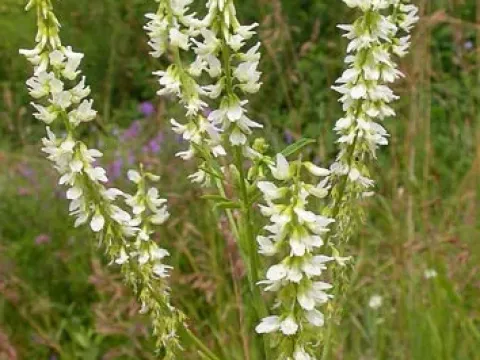
Crimean melilot
Melilotus tauricus
Crimean melilot is a biennial legume species that is highly valued for its ability to thrive in challenging soil and climatic conditions.
What the section contains
Crimean melilot
The optimal sowing time is early spring, as soon as the soil is dry enough to be worked, ensuring the plants establish themselves before the onset of summer heat.
Late autumn sowing is also a viable option in certain regions, which can lead to better germination rates due to the natural stratification of seeds during winter.
Scarification of seeds is highly recommended before planting to break the seed coat dormancy and ensure uniform emergence of the seedlings.
Sowing depth should be kept shallow, between 1.5 and 2 centimeters, to allow the small seeds to reach the surface with sufficient energy reserves.
This species is exceptionally drought-tolerant and performs well on stony, saline, or nutritionally poor soils where other legumes would fail to grow.
Crimean melilot requires full sun exposure and does not tolerate competition from weeds or shading from taller vegetation during its initial growth stages.
While it prefers calcareous or carbonate-rich chernozems, it is highly adaptable and can establish itself on various soil types including chalky slopes.
Its deep-reaching taproot system allows it to access deep soil water reserves, making it an excellent candidate for semi-arid environments.
The plant is known for its remarkable winter hardiness, allowing it to survive significant temperature drops without needing extra protection.
Yields of green biomass are most significant in the second year of growth, when the plant allocates all its energy to canopy and root development.
Under favorable management, the crop can yield between 20 to 40 tons of green matter per hectare, depending on soil fertility and annual precipitation.
Seed production requires careful monitoring because the plants do not mature simultaneously, which can lead to grain losses if harvested at the wrong time.
Average seed yields typically range from 300 to 600 kilograms per hectare, depending on local environmental factors and crop maintenance.
Besides its use as forage, it acts as a powerful green manure, significantly increasing soil nitrogen content and improving the overall structure of compacted soils.
Fungal diseases, including powdery mildew and various leaf spot pathogens, can impact plant health, especially in high-humidity or poorly ventilated areas.
The root system and young foliage can be susceptible to damage from pests like the clover root curculio and various aphids that feed on plant sap.
Leaf beetles also represent a common threat to young stands, potentially reducing the photosynthetic capacity of the plants during the first year.
Integrated pest management, including crop rotation and maintaining good field hygiene, is essential to minimize the impact of these threats.
- Maintain a crop rotation period of at least 3 years to break disease cycles.
- Monitor fields for signs of pest infestation during the vegetative stage.
- Control weeds that might host insects or competing pathogens.
For high-quality forage, harvesting should occur at the start of the flowering phase, ensuring the best balance between biomass volume and nutritional quality.
When producing hay, it is critical to minimize mechanical disturbance during drying to prevent the loss of nitrogen-rich leaves, which are the most valuable part.
Seed harvesting is conducted when the majority of pods turn brown, often requiring a two-stage harvesting process to ensure seeds are fully mature.
Post-harvest handling must include drying the seeds to a low moisture content to prevent spoilage and maintain long-term seed viability.
The plant residues are often incorporated into the soil as organic matter, providing lasting benefits to soil health and fertility for subsequent crops.