
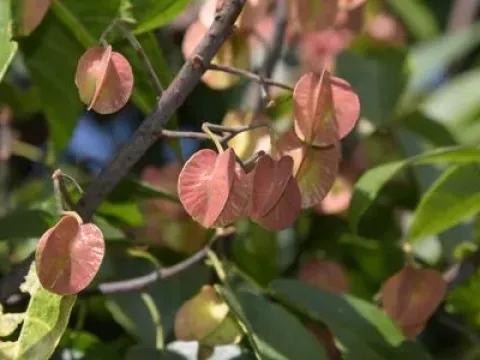
Craigia brownii
Craigia brownii
Propagation of Craigia brownii is primarily achieved through seeds or stem cuttings. The seeds have low germination rates, so stratification at cool positive temperatures for 1–2 months is highly recommended before sowing.
What the section contains
Craigia brownii
Sowing in a protected environment or nursery containers should take place in early spring after the frost season. Maintaining a stable temperature between +18°C and +22°C is critical to stimulate the embryo development.
When using cuttings, select semi-hardwood shoots during mid-summer. Using growth stimulants and maintaining high air humidity in a greenhouse setting significantly improves rooting success.
Young seedlings require transplanting (pricking out) after the development of the second pair of true leaves. Outplanting to permanent locations should be scheduled for late spring to avoid any late night frosts.
The planting scheme must account for the mature tree's canopy size. A minimum spacing of 4 to 5 meters is recommended between individual trees to ensure proper sunlight distribution and resource availability.
Craigia brownii belongs to the Malvaceae family (formerly Tiliaceae) and is characterized as a deciduous tree with unique botanical traits. In its natural habitat, it thrives in moist, temperate forest zones.
The species requires fertile, loose, and well-drained soil to prosper. The ideal substrate pH is slightly acidic to neutral, which mimics the natural conditions of its origin.
While the tree is moderately shade-tolerant, it prefers areas with filtered sunlight for optimal canopy development. Harsh direct midday sun may cause leaf scorch on younger, more delicate specimens.
Moisture management is vital for this species, especially during the peak summer months. Regular irrigation is necessary to maintain proper leaf turgor and support consistent physiological growth.
In regions with harsh winters, young trees require root zone mulching for protection. Mature specimens show moderate winter hardiness but may suffer branch dieback in extreme northern climates during severe winters.
Currently, Craigia brownii exhibits high resistance to most common pathogens found in temperate deciduous tree species, making it a relatively low-maintenance ornamental plant.
The primary threat to the crop is root-related fungal disease, often caused by waterlogging. Ensuring a high-quality drainage layer at the time of planting is the best preventive strategy.
Occasional damage by leaf-chewing insects, such as caterpillars of various Geometridae species, may occur. Preventive spraying with biological insecticides during the peak activity period is effective for control.
In crowded planting conditions, the risk of powdery mildew increases, especially under high-humidity conditions. Regular sanitary pruning improves air circulation within the canopy and reduces infection rates.
Monitoring the bark condition is essential to identify early signs of wood-boring pests. If tunnels are detected, the application of systemic insecticides is recommended to protect the tree's vascular system.