
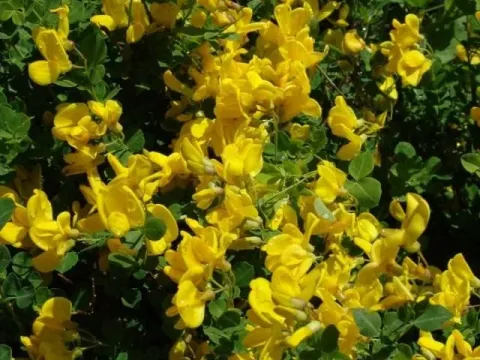
Creeping broom
Cytisus procumbens
The creeping broom (Cytisus procumbens) is a deciduous, low-growing shrub member of the Fabaceae family. Native to the rocky slopes of Central and Southeastern Europe, this plant is specifically adapted to harsh, nutrient-poor, and dry environments.
What the section contains
Creeping broom
It thrives in full sun exposure and requires well-draining soil, ideally of a sandy or stony composition. This species is highly sensitive to waterlogging, as excessive soil moisture is the primary cause of root failure and early mortality in cultivated settings.
Regarding climate adaptation, the creeping broom is hardy but benefits from protection against severe, desiccating winter winds. It is an excellent choice for xeriscaping, where minimal maintenance and high drought tolerance are required.
Agronomic management focuses on preventing competition from weeds during the establishment phase. Once settled, the plant forms dense mats that naturally suppress weed growth, making it a sustainable choice for soil erosion control on slopes.
The plant has minimal fertilization requirements, as it is a nitrogen-fixing legume. Over-fertilization can actually be detrimental, promoting excessive succulent growth that is more susceptible to frost damage and pest infestation.
Powdery mildew is the most common fungal issue, especially in environments with high humidity or poor air circulation. Proper spacing between individual plants is the best preventative measure against this pathogen.
Aphids often colonize the tender spring growth, potentially vectoring viral diseases. Regular monitoring and the application of insecticidal soaps can manage these populations before they impact the overall plant vigor.
Root rot is typically an abiotic disorder caused by poor drainage or overwatering. Maintaining a sharp drainage layer in the planting pit is essential for the long-term health of the shrub.
Broom moth larvae can feed on the foliage during the late spring. While usually not fatal to healthy, mature bushes, heavy infestations can significantly reduce the ornamental value of the plant during the flowering period.
Leaf spot diseases may occur during wet, cool summers. Infected foliage should be cleared away and discarded at the end of the season to reduce the primary inoculum load for the following spring.