
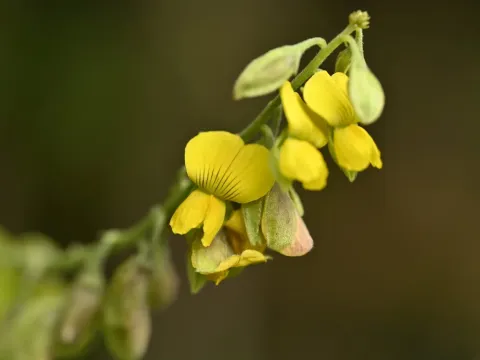
Crotalaria albida
Crotalaria albida
Crotalaria albida is a perennial herb belonging to the Fabaceae family. This species is widely recognized for its agricultural potential, particularly in tropical and subtropical regions where it acts as a beneficial soil-restoring plant.
What the section contains
Crotalaria albida
The plant is native to parts of Asia, thriving in diverse environments ranging from grassy plains to rocky slopes. It demonstrates a high level of tolerance to harsh conditions, including poor nutrient availability and intense sunlight.
Soil requirements focus on good drainage, as the species is highly sensitive to waterlogging. It performs exceptionally well in sandy or loamy soils, where its deep root system can effectively penetrate and improve soil structure.
In terms of climatic adaptability, Crotalaria albida prefers warm weather. It is considered an excellent candidate for crop rotation systems intended to restore nitrogen levels in depleted soils, thanks to its efficient symbiotic relationship with nitrogen-fixing bacteria.
Beyond soil amendment, this plant has been historically utilized for its fibrous stems and potential medicinal properties. Its ability to produce significant biomass within a single season makes it a popular choice for sustainable farming practices.
Pest pressures for Crotalaria albida often include lepidopteran larvae that target leaves and developing pods. Integrated pest management (IPM) is essential to maintain healthy stands and maximize the benefits provided by the crop.
Fungal diseases, including leaf spots and root rots, represent the most significant threat during periods of excessive humidity or poor soil aeration. Preventing the buildup of moisture around the base of the plant is a critical preventive measure.
Seed-feeding insects, such as bruchid beetles, can significantly reduce the viability of harvested seeds. Storing seeds under cool and dry conditions is necessary to minimize damage from these storage pests.
Weed infestation during the early establishment phase can severely stunt the plant's growth. Mechanical weed control or the use of appropriate pre-emergence techniques is recommended to ensure the crop gains a competitive advantage.
Monitoring for signs of viral diseases, such as leaf yellowing or curling, is important, as these are often transmitted by aphids. Prompt removal of infected plants can help prevent the rapid spread of these diseases within the field.