
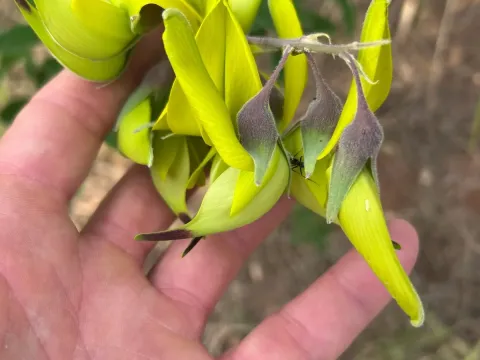
Crotalaria agatiflora
Crotalaria agatiflora
Crotalaria agatiflora is a vigorous perennial shrub belonging to the Fabaceae family, native to the tropical regions of East Africa. It is characterized by its rapid growth rate and distinctive large flowers, making it a subject of interest in both ornamental and agricultural fields.
What the section contains
Crotalaria agatiflora
The plant thrives in well-drained, fertile soils with a neutral or slightly acidic pH balance. Poor drainage is the most significant obstacle to healthy development, as the roots are highly susceptible to rot when subjected to prolonged waterlogging in compacted or heavy clay soils.
Climatic requirements are focused on warmth, with an ideal temperature range between 20°C and 30°C. It is extremely sensitive to frost, which limits its perennial growth to tropical and subtropical zones; in cooler climates, it must be cultivated as a seasonal annual crop.
Solar exposure is essential for optimizing plant vigor. It requires full sun to maintain structural integrity and promote continuous flowering, as partial shade often leads to etiolation, where the plant becomes leggy and produces weaker, sparse flower spikes.
Agronomically, this species is highly valued for its nitrogen-fixing capabilities. By forming symbiotic relationships with rhizobia bacteria, it plays a vital role in soil enrichment, making it an excellent candidate for sustainable rotation programs aimed at improving long-term fertility.
Aphids represent a primary pest threat, as they colonize tender shoots and succulent flower buds, extracting vital sap and potentially spreading viral pathogens. Regular scouting is recommended during the early growth stages to prevent colony formation.
Spider mites can become a significant issue during hot and dry conditions, causing leaf chlorosis and premature senescence. Maintaining adequate humidity and regular irrigation can mitigate the severity of mite outbreaks throughout the growing season.
Fungal pathogens, particularly those responsible for root rot, are commonly linked to poor agricultural management, such as over-irrigation or lack of ventilation. Implementing proper irrigation scheduling and maintaining optimal plant spacing are critical preventive measures.
Viral infections can cause plant distortion and stunted growth, often spread by sucking insects. Management strategies include the control of vector populations and the removal of infected plant material to prevent the spread of the virus throughout the crop field.
Nematode infestations can damage the root system, reducing the plant's ability to fix nitrogen and absorb nutrients. Crop rotation with non-host species is the most effective cultural practice to manage nematode populations and ensure crop longevity.