
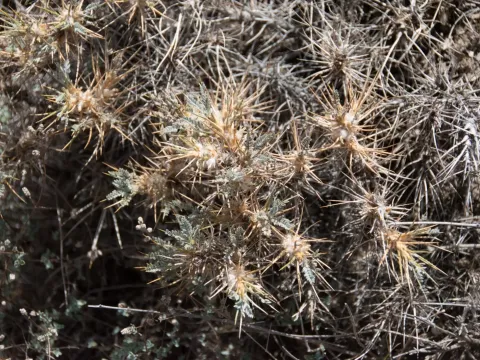
Cretan milkvetch
Astragalus creticus
Cretan milkvetch Astragalus creticus is a hardy perennial belonging to the Fabaceae family. It is native to the Eastern Mediterranean, specifically the Cretan region, known for its rugged and dry landscape.
What the section contains
Cretan milkvetch
The plant thrives in well-drained, lime-rich, and stony soils. It is highly adapted to arid climates where other crops would fail to survive due to the lack of water and high solar radiation.
As a legume, it contributes to soil health through nitrogen fixation. It prefers open areas with good air circulation and requires significant amounts of sunlight for optimal biomass production.
The root system is exceptionally deep, which provides stability and survival in harsh, rocky terrains. Agricultural plots for this species should mimic its natural environment to ensure plant longevity.
Propagation is primarily done through seeds. Because the seeds have hard coats, scarification or specific temperature treatment is required to break dormancy and ensure uniform seedling emergence.
The main threat to Cretan milkvetch is root rot caused by poor soil drainage. Keeping the soil too wet at the root zone is the fastest way to cause crop loss in any cultivation environment.
Aphids can colonize the young shoots, extracting sap and weakening the plant. Their presence is often correlated with environmental stress or poor plant nutrition during early development stages.
Various beetles, particularly weevils, may feed on the foliage and stem tissues. Regular field monitoring is essential to keep these populations under control without damaging the plant's health.
Powdery mildew may occur if the planting density is too high, leading to poor air circulation between the plants. Maintaining optimal distance between rows is a crucial preventive measure.
Crop protection strategies should focus on integrated pest management (IPM) to maintain the purity of the medicinal materials. Avoid using harsh chemicals that might compromise the quality of the final product.