
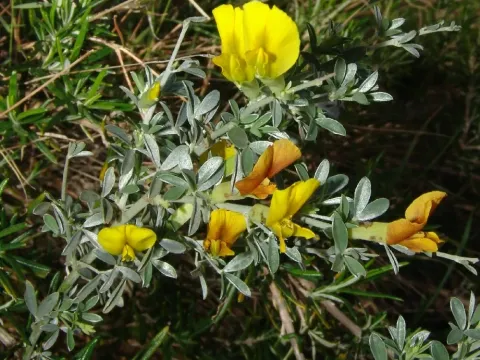
Cretan broom
Cytisus creticus
Cretan broom (Cytisus creticus) is a perennial shrub belonging to the Fabaceae family. Propagation is primarily achieved through seeds, which often require scarification to improve germination rates before sowing.
What the section contains
Cretan broom
The ideal time for sowing in open ground is during the spring season once soil temperatures have reached at least 10–12 degrees Celsius. In regions with milder climates, autumn sowing can also be successful, as it allows for natural stratification of the seeds.
For greenhouse or nursery cultivation, seeds are sown in containers in late winter. This controlled environment ensures higher success rates and provides the seedlings with the necessary head start before transplanting.
Seeds should be sown at a depth of 1–2 centimeters. Maintaining a consistent moisture level is vital, yet excessive watering must be avoided to prevent damping-off, a common issue for legume seedlings.
Transplanting into the permanent location should occur when the plant is 1–2 years old. It is crucial to minimize root disturbance by using the transfer method, keeping the root ball intact to ensure successful establishment.
Cretan broom is a sun-loving plant that thrives in locations with full solar exposure. It is essential to choose an open site protected from harsh winds, as shade significantly hinders its growth and floral production.
Regarding soil, this species prefers well-drained, sandy, or rocky soils. It is intolerant of heavy, waterlogged clays, which can lead to rapid root rot and overall plant failure due to its native Mediterranean adaptation.
This shrub is highly drought-tolerant once established. While it can survive in nutrient-poor soils, a light application of phosphorus-potassium fertilizers during the growing season can significantly enhance overall plant health and bloom intensity.
The soil pH should ideally remain within the neutral to slightly acidic range. Excessive alkalinity or liming can disrupt nutrient uptake and induce chlorosis, evidenced by the yellowing of the foliage.
While moderately hardy, the plant requires winter protection in cooler regions. Mulching the root base with organic materials and covering the foliage with frost-resistant fabric helps protect it from severe frost damage.
Powdery mildew is a prevalent fungal disease affecting Cytisus creticus, typically manifesting as a white powdery coating on leaves and stems. This condition can lead to premature leaf drop if not managed correctly.
In humid conditions, leaf spot fungi may also appear. Effective management involves the use of copper-based fungicides and ensuring adequate air circulation through regular pruning of the canopy.
Aphids are the primary insect pests that attack the young shoots and flower buds. Infestations weaken the shrub and can facilitate the transmission of various plant viruses, necessitating timely insecticide application.
Spider mites can also become a problem during periods of prolonged drought. Monitoring the undersides of leaves is critical to catch early outbreaks before they cause severe damage to the plant's aesthetic and vitality.
General hygiene, including the removal of dead or diseased branches, is the most effective way to prevent the spread of diseases. A well-maintained and properly pruned shrub is naturally more resilient against various threats.