
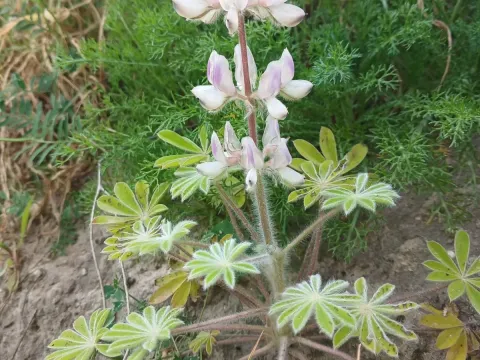
Palestine lupin
Lupinus palaestinus
Palestine lupin (Lupinus palaestinus) is a member of the Fabaceae family, highly valued for its ability to thrive in arid and semi-arid environments. Planting is typically scheduled to align with the start of the rainy season, allowing the crop to establish before peak heat.
What the section contains
Palestine lupin
The seeds should be sown at a depth of approximately 3 to 5 centimeters to ensure adequate moisture access for germination. This depth is critical for protecting the seedlings from rapid surface drying in sandy soil profiles.
Proper spacing is essential to minimize competition and ensure that each plant develops a robust root system capable of accessing deep soil water reserves. Row intervals should be adjusted based on local soil fertility levels.
Soil preparation before sowing should focus on reducing soil compaction and creating a friable seedbed that encourages rapid root penetration and uniform emergence of seedlings.
Strategic timing of sowing ensures that the plant completes its vegetative cycle and enters the flowering stage during favorable temperature ranges, thereby avoiding heat-induced stress.
This species is exceptionally well-adapted to sandy and light-textured soils that are poor in nutrients, where it excels due to its symbiotic relationship with nitrogen-fixing root bacteria.
While the plant exhibits significant drought tolerance, it requires consistent moisture during the critical phases of budding and flowering to achieve optimal biomass and seed yield.
The preferred soil pH for Palestine lupin is slightly acidic to neutral; soils that are highly alkaline may hinder nutrient availability, particularly iron and manganese uptake by the roots.
Regular maintenance of the field includes careful weed management, as young lupin plants can be easily outcompeted by invasive vegetation in the early stages of growth.
Incorporating phosphorus and potassium fertilizers during soil preparation can significantly improve the crop's resilience, stem strength, and overall reproductive performance during the final stages of growth.
Fungal diseases such as Fusarium wilt and anthracnose represent the most serious threat to crop health, especially under conditions of high humidity or poor field drainage.
Pests, particularly aphids and certain coleopterans, can cause damage to foliage and developing seeds, necessitating vigilant scouting and integrated pest management practices.
Effective crop rotation is the most reliable strategy to prevent the buildup of soil-borne pathogens, ensuring that the field remains productive over multiple agricultural cycles.
Using certified, fungicide-treated seeds is a fundamental practice to reduce the initial incidence of seed-borne and soil-borne diseases that could otherwise devastate a young crop.
Monitoring the field for signs of pest infestation and disease spread is vital for applying timely interventions, thereby protecting the yield and economic viability of the farming operation.