
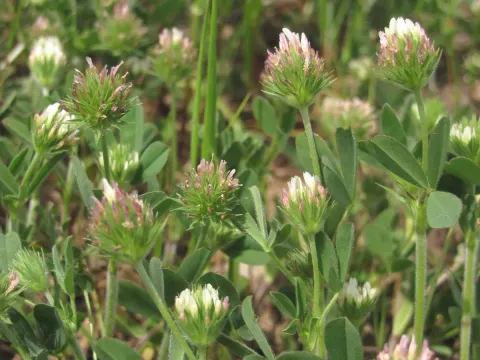
Pale-flowered clover
Trifolium leucanthum
Pale-flowered clover (Trifolium leucanthum) is an annual herb within the Fabaceae family, recognized for its distinct pale, elongated flower heads. This legume is primarily utilized in forage systems due to its high nutritional value and soil-enriching properties.
What the section contains
Pale-flowered clover
Originating from the Mediterranean basin, the plant is naturally adapted to warm, temperate climates. It thrives in regions with mild winters and consistent spring rainfall, which is vital for the establishment of its deep taproot system.
Regarding soil requirements, the species performs best in well-drained, fertile loams with a near-neutral pH balance. It is sensitive to waterlogged conditions, which can lead to root asphyxiation, so choosing elevated or sloping ground for cultivation is highly recommended.
The agrotechnical strategy for this clover focuses on early spring sowing to maximize biomass production before the onset of summer drought. Incorporation of phosphorus and potassium fertilizers during soil preparation significantly boosts its growth rate and flower development.
As a nitrogen-fixing crop, it provides substantial benefits to subsequent agricultural cycles. By enhancing soil fertility naturally, it reduces the ecological footprint of the farm and serves as a sustainable component in rotation practices.
The primary diseases affecting Trifolium leucanthum are powdery mildew and rust, which become prevalent during periods of high humidity and poor field ventilation. Crop rotation and maintaining optimal spacing between rows are effective preventive measures.
Insects like clover weevils and aphids are common pests that target the tender leaves and developing flower buds. Regular scouting of the fields is essential to detect pest outbreaks early, allowing for timely and targeted intervention.
Root rot caused by various soil pathogens remains a significant threat, especially in soils that lack proper drainage. Ensuring adequate field drainage is the most effective management strategy to mitigate this risk.
Weed management during the initial growth phase is critical, as the clover develops slowly at the start. Mechanical weed control, such as light harrowing, is preferred over chemical interventions to maintain the organic quality of the forage.
Storage of harvested seeds must be carefully managed to avoid fungal growth. Keeping the seeds in a dry, cool, and well-ventilated environment ensures that the quality and viability of the material are preserved for the next planting season.