
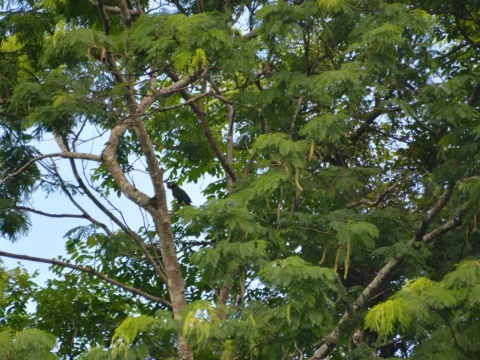
Parapiptadenia
Parapiptadenia
Parapiptadenia is a genus of trees belonging to the Fabaceae family. Its most notable species, Parapiptadenia rigida, is native to the forests of South America, specifically in regions with tropical and subtropical climate conditions.
What the section contains

Parapiptadenia
The plant thrives in areas with consistent temperatures and sufficient annual rainfall. It is not adapted to cold climates and requires protection from frost, making it ideal for tropical plantation forestry.
Regarding soil requirements, Parapiptadenia demands well-drained, nutrient-rich substrates. It is highly intolerant of waterlogging, so site selection must prioritize soil permeability to prevent root decay in young stands.
The botanical structure of this tree includes a robust trunk and a spreading canopy. It is a light-demanding species, which means that canopy management is essential in mixed-species plantations to ensure the trees receive adequate sunlight.
Management practices include early-stage weed control and monitoring for proper tree spacing. Ensuring that the young plants are not overshadowed by aggressive weeds is vital for reaching maturity during the initial phase of growth.
The primary economic use of Parapiptadenia is timber production. The wood is highly valued for its exceptional density, durability, and resistance to natural decay, making it a premium choice for outdoor construction and furniture.
It is widely utilized in professional woodworking industries where strength and visual appeal are required. The timber is often used for heavy-duty structural purposes as well as intricate design projects.
Parapiptadenia also holds significant value for ecological restoration. As a nitrogen-fixing legume, it improves soil fertility, making it a preferred species for reforesting degraded areas and promoting biodiversity in forest plantations.
The harvest cycle depends on specific forestry goals, focusing on selective logging to maintain ecosystem balance. This approach allows for long-term productivity while ensuring that the land remains fertile for subsequent growth cycles.
Additionally, the secondary use of the bark in local industries for tanning demonstrates the diverse potential of the species, providing multiple revenue streams for producers involved in sustainable tree farming.