
Pale clover
Trifolium pallescens
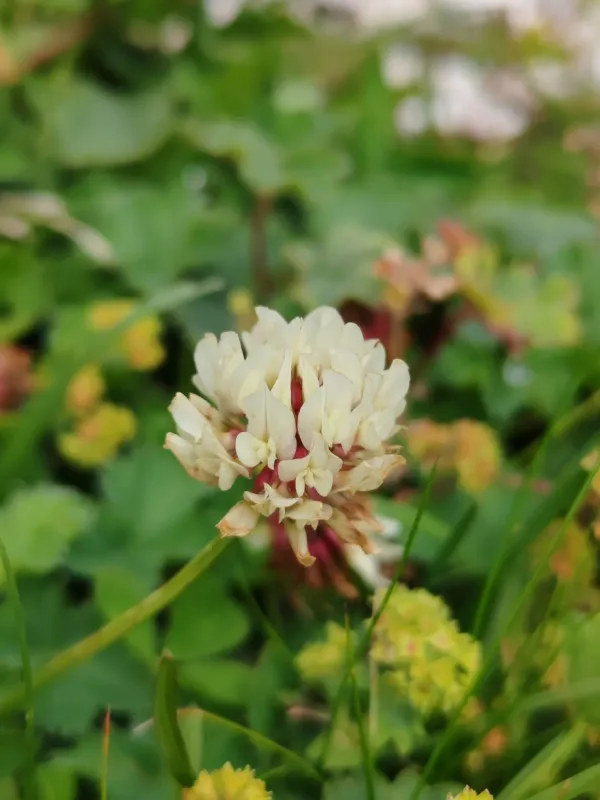
Description
Sowing dates
Pale clover is a specialized alpine species, and therefore, its sowing schedule is strictly dictated by altitude and local climatic conditions.
The ideal planting time is during early spring when soil temperatures allow for consistent germination, reflecting the species' adaptation to mountain ecosystems.
Natural life cycles are optimized for brief, intense growing seasons, which must be carefully managed when introducing this plant to agricultural environments.
Seed preparation is crucial, as the seeds often require cold stratification to break dormancy after being exposed to high-altitude winter conditions.
Shallow planting depth is essential, as the small seeds lack the vigor to emerge through deep or crusted soil layers during the initial germination phase.
Growing requirements
Belonging to the Fabaceae family, Pale clover is a perennial herb uniquely adapted to the harsh conditions of European and Asian alpine meadows.
The crop thrives in well-drained, slightly acidic to neutral soils that are rich in organic matter, mirroring its native subalpine habitat requirements.
While the plant requires sufficient air humidity, it is extremely sensitive to waterlogged conditions, which can rapidly lead to root rot and crop failure.
It possesses remarkable frost resistance, enabling it to withstand significant snow cover and the extreme daily temperature fluctuations typical of mountain climates.
High levels of solar radiation are necessary for optimal development, as shaded conditions significantly stunt growth and reduce overall biomass production.
Yield
The yield of Pale clover is generally moderate, as the plant has evolved to specialize in nutrient-limited and high-altitude pasture environments.
It is primarily utilized as a high-quality forage source in alpine regions where common agricultural legumes fail to establish or produce effectively.
The nutritional profile of the green biomass is dense in digestible proteins and vital minerals, making it a highly desirable component for livestock feed.
Intensive management and calculated mineral fertilization can allow for up to two cuts per growing season, though such practices are rarely performed in the wild.
Peak biomass production usually occurs between the second and third year of the plant's life cycle before a gradual decline in competitive vigor occurs.
Main diseases and pests
Like many alpine flora species, Pale clover is particularly susceptible to fungal pathogens during extended periods of high humidity and thick fog.
Common diseases include various types of powdery mildew and rust, which can degrade hay quality and drastically reduce the nutritional value of the harvest.
Insects such as clover root weevils represent a significant threat to young plants, as they cause physical damage to both root systems and foliage.
Phytosanitary management is essential, focusing on maintaining balanced soil nutrition and avoiding the compaction that encourages root diseases.
- Frequent mowing to reduce pathogen buildup
- Systemic monitoring for early pest detection
- Ensuring optimal soil drainage to prevent fungal colonization
Harvesting
Harvesting should be conducted during the peak flowering stage, which represents the point of maximum nutritional concentration within the plant tissues.
Operational timing is vital; harvesting must occur during dry weather to prevent rapid spoilage and the onset of mold in the stored hay biomass.
A cutting height of at least 5–7 centimeters is recommended to protect the crown and ensure rapid regrowth of the clover for subsequent harvests.
Modern ventilation methods are advised during drying to preserve the fragile leaves, which contain the highest density of essential vitamins and minerals.
Proper harvesting techniques ensure that the nutrient integrity of the clover is maintained during long-term storage throughout the winter season.