
Palestinian clover
Trifolium palaestinum
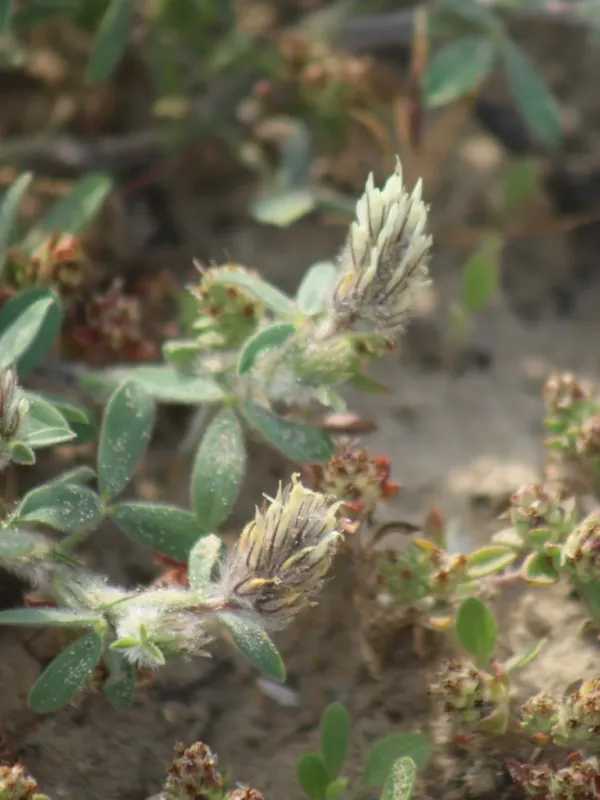
Description
Sowing dates
Sowing of Trifolium palaestinum is primarily timed to coincide with the start of the rainy season in its native Mediterranean habitats. Early autumn planting allows seedlings to establish robust root systems before winter temperatures drop.
The preparation of the seedbed is essential for successful germination. Soil should be finely pulverized, and seeds should be sown at a shallow depth of approximately 1 to 2 centimeters to ensure adequate soil moisture contact.
Seed density must be carefully managed to prevent inter-plant competition. Proper spacing ensures that each plant receives enough sunlight and nutrients to reach its full potential during the vegetative stage.
Inoculation of seeds with specific Rhizobium strains is highly recommended for improved nitrogen fixation. This process significantly enhances seedling vigor and biomass production in nutrient-poor soils.
Following the sowing process, light rolling helps secure the seeds within the soil profile. This technique is particularly effective in arid conditions to maintain moisture around the emerging radicle.
Growing requirements
As a member of the Fabaceae family, the Palestinian clover is well-adapted to semi-arid environments. It serves as a vital component of local ecosystems, providing cover and forage where other species might fail.
The species prefers well-drained, lime-rich soils. While it demonstrates remarkable tolerance for poor soil quality, it performs best in soils with a neutral to slightly alkaline pH level.
Full sun exposure is a non-negotiable requirement for this plant. It lacks the ability to compete in shaded environments, and productivity decreases significantly if light levels are insufficient.
The plant exhibits deep root systems capable of tapping into moisture reserves. This physiological trait allows it to withstand intermittent dry spells that are common in its native distribution area.
Climatic preferences include mild, wet winters and warm, dry springs. This phenological timing allows the clover to complete its reproductive cycle before the heat of summer causes senescence.
Main diseases and pests
Fungal diseases, such as leaf rust and powdery mildew, represent the primary biological threat. These pathogens are most active during periods of high humidity and can degrade the quality of the forage.
Insect pests, including various species of aphids and weevils, pose significant risks. These organisms can severely weaken the plant by feeding on foliage, stems, or nitrogen-fixing nodules in the roots.
Environmental stress, such as waterlogging or soil compaction, often precedes major disease outbreaks. Ensuring proper site drainage is a fundamental step in preventing root-related complications.
Overgrazing remains the greatest management threat to permanent clover stands. Repeated close grazing prevents the plant from replenishing its carbohydrate reserves, eventually leading to stand decline.
Integrated pest management strategies are necessary to protect fields. This includes regular field scouting to identify infestation hotspots and the use of resistant genotypes where available.
Harvesting
Harvesting for hay should be timed precisely at the early-to-mid flowering stage to maximize nutritional value. Cutting at this peak ensures the best balance between biomass yield and protein content.
For grazing systems, controlled rotational stocking is recommended. This allows the plant sufficient recovery time between grazing events, which is critical for long-term stand persistence and productivity.
The use of sharp mowing equipment is essential to prevent tissue damage during harvest. Clean cuts promote faster regrowth of the plants, which is vital for multiple cuttings within a single season.
Drying procedures for hay production should be completed rapidly to maintain quality. Moisture content must be reduced to levels that prevent mold growth while preserving the nutrient-rich leaves.
Proper harvest height is a key factor for success. Leaving enough stubble height allows for rapid photosynthesis and regrowth, protecting the crown of the plant from extreme heat and desiccation.