
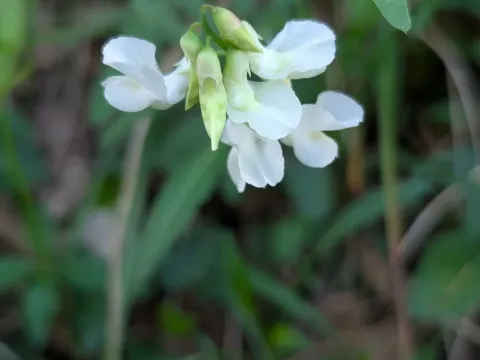
Pannonian vetchling
Lathyrus pannonicus
Pannonian vetchling (Lathyrus pannonicus) is a perennial herbaceous plant belonging to the Fabaceae family. It is recognized for its extensive root system.
What the section contains
Pannonian vetchling
Sowing should ideally occur in early spring when soil temperatures reach 5–8 degrees Celsius to ensure uniform germination and optimal moisture usage.
The optimal planting depth is 3–5 cm, depending on soil texture, which ensures protection of seeds from birds and drying out while allowing for emergence.
Row spacing is typically set at 15–20 cm for forage production, though wider spacing may be used when the primary goal is seed multiplication.
Since the plant establishes slowly during the first year of growth, it is crucial to ensure that the field is free of aggressive weed competition.
The crop thrives in well-drained, fertile soils, preferring loam or sandy loam textures with a near-neutral pH level to support nitrogen fixation.
Pannonian vetchling demonstrates excellent drought tolerance once established, though it requires consistent moisture during the active vegetative growth phase.
The plant performs best in temperate climate zones, requiring sufficient sunlight to maximize the development of its biomass and flower production.
Soil fertility management should focus on phosphorous and potassium supplementation, which strengthens the perennial root structure and improves winter hardiness.
Proper drainage is essential, as waterlogging can cause significant root damage and increase susceptibility to secondary soil-borne fungal pathogens.
The primary threats include fungal diseases such as fusarium wilt and anthracnose, which are typically exacerbated by improper crop rotation practices.
Powdery mildew can become a significant issue during periods of high humidity and heat, impacting the photosynthetic capacity of the foliage.
Pests, particularly legume weevils, pose the greatest threat to seedling development and can significantly reduce plant stand density if not monitored.
Implementing an integrated pest management strategy, including the use of certified, treated seed, is essential for maintaining a healthy and productive stand.
- Use of high-quality, treated seeds
- Diverse crop rotation cycles
- Regular field monitoring for insects
- Removal of infected plant debris
For high-quality forage, the crop should be harvested at the beginning of the flowering stage, when the nutrient and protein content is at its peak.
Harvesting for seed production requires careful timing to ensure the pods are matured but not overly dry, which helps to prevent shatter losses during operation.
Using specialized machinery with gentle handling mechanisms is recommended to maximize the recovery of seeds and maintain their viability for future plantings.
After harvesting, prompt drying of the biomass or seeds is necessary to prevent spoilage and ensure stability during subsequent storage in silos or bags.
The inclusion of this legume in agricultural systems provides long-term soil structure benefits and high-value feed for livestock throughout the season.