
Parkinsonia
Parkinsonia
Parkinsonia is a genus of flowering plants in the family Fabaceae. These trees are highly valued in arid agriculture due to their remarkable resistance to heat and drought.
What the section contains

Parkinsonia
Native to the arid regions of the Americas, this species has successfully adapted to tropical and subtropical climates worldwide, demonstrating high survival rates.
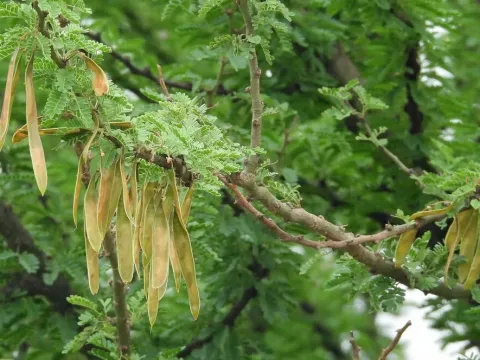
The plant features pinnate leaves and slender green branches that facilitate photosynthesis, allowing the tree to thrive even when leaf drop occurs during severe dry seasons.
The crop is highly undemanding regarding soil quality. It thrives in rocky, sandy, or saline soils, provided that the planting site has excellent drainage to prevent root rot.
Full sun exposure is essential for the healthy development of Parkinsonia. Being a heat-loving plant, it requires frost-free conditions for consistent annual growth cycles.
Parkinsonia serves various agricultural purposes, including the production of high-density timber used for fencing and small-scale construction projects on farms.
As a leguminous plant, it plays a vital role in soil enrichment. Its roots form a symbiotic relationship with nitrogen-fixing bacteria, which improves soil fertility in degraded areas.
The tree acts as an excellent windbreak, protecting crops from wind erosion. Its presence in pastures provides necessary shade for livestock, which helps improve overall farm productivity.
Parkinsonia is a significant honey plant. Beekeepers value it for the prolonged flowering period that provides nectar even when other sources of forage are unavailable.
In some regions, leaves and seeds are harvested as supplementary fodder. While they contain tannins, proper processing makes them a viable nutritional resource for ruminants.
Pests such as aphids and scale insects are the most common threats to Parkinsonia. Infestations primarily affect tender new growth and can weaken young saplings.
Root rot, caused by various fungal pathogens, remains a primary concern in areas with poor drainage or excessive irrigation. Maintaining dry soil conditions is the best prevention strategy.
In certain environments, Parkinsonia is known for its invasive behavior. Farmers must manage plant density to prevent it from encroaching on adjacent agricultural or wild lands.
Integrated pest management, including the use of biological control agents, is recommended to keep pest populations at levels that do not harm the overall crop health.
Regular maintenance, including the removal of dead or diseased branches, is necessary to keep the plantation healthy and to ensure the longevity of the individual trees.